
Indian Motorcycle
Duration
10 Weeks
Role
UX Research, UX Design, UX Strategy
Keywords
HMI, Branding, Redesign

Overview
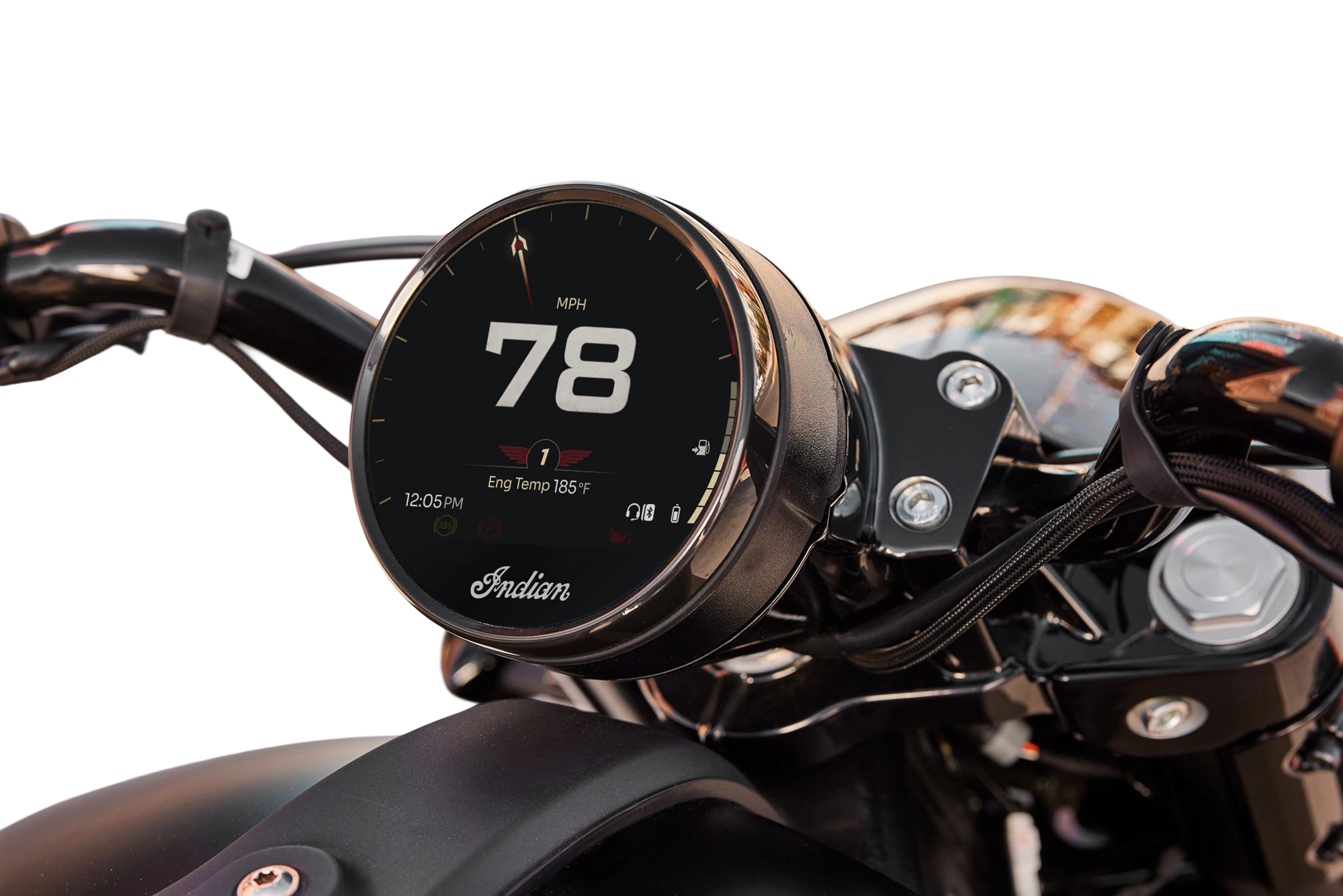
Indian Motorcycle is reimagining the Scout dashboard as more than a riding interface—turning it into a digital brand experience that extends beyond the ride. This blue-sky project connects intuitive navigation, curated routes, cultural storytelling, and collectible ride memories into one cohesive ecosystem that feels distinctly Indian.
Culture Mode
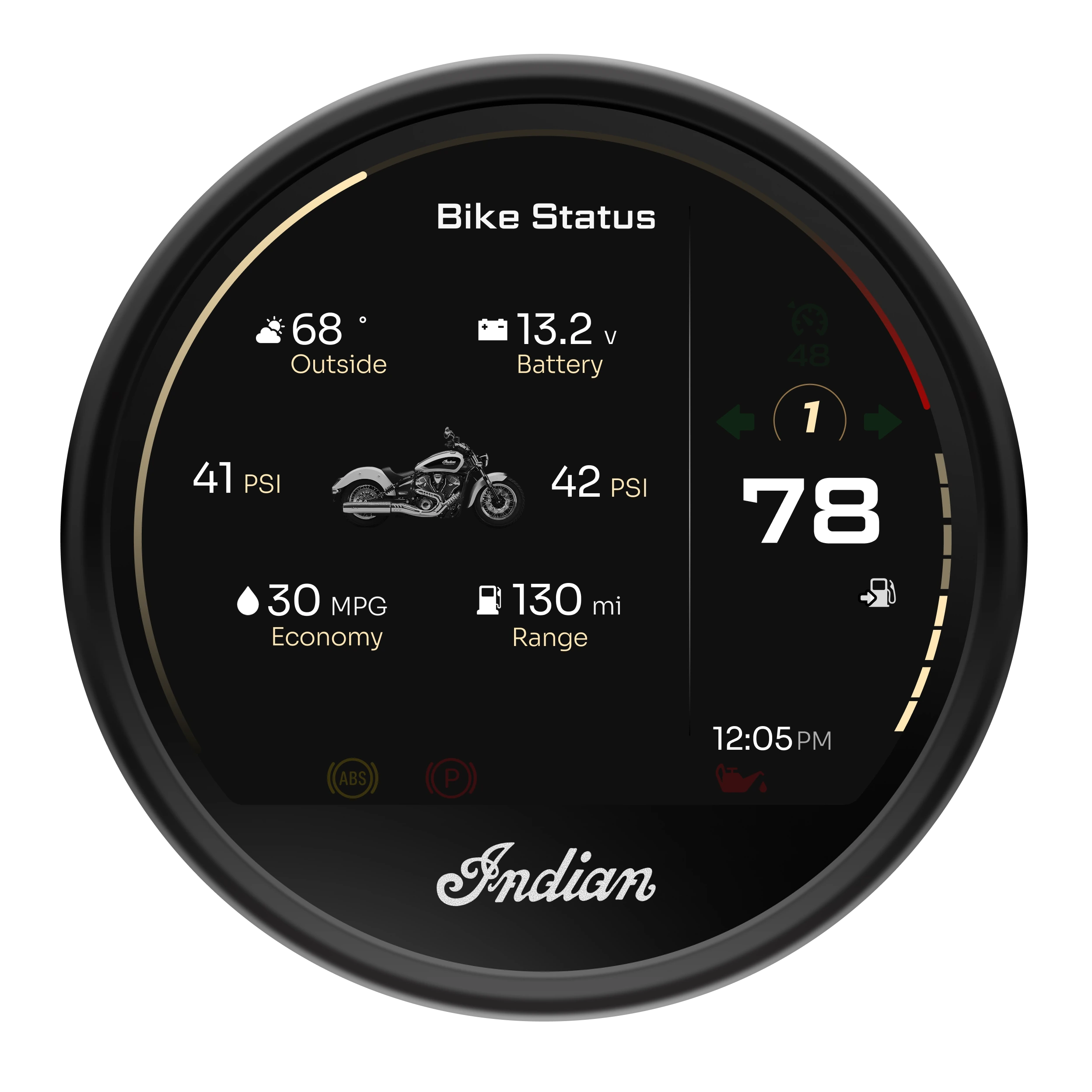
Menu&Status
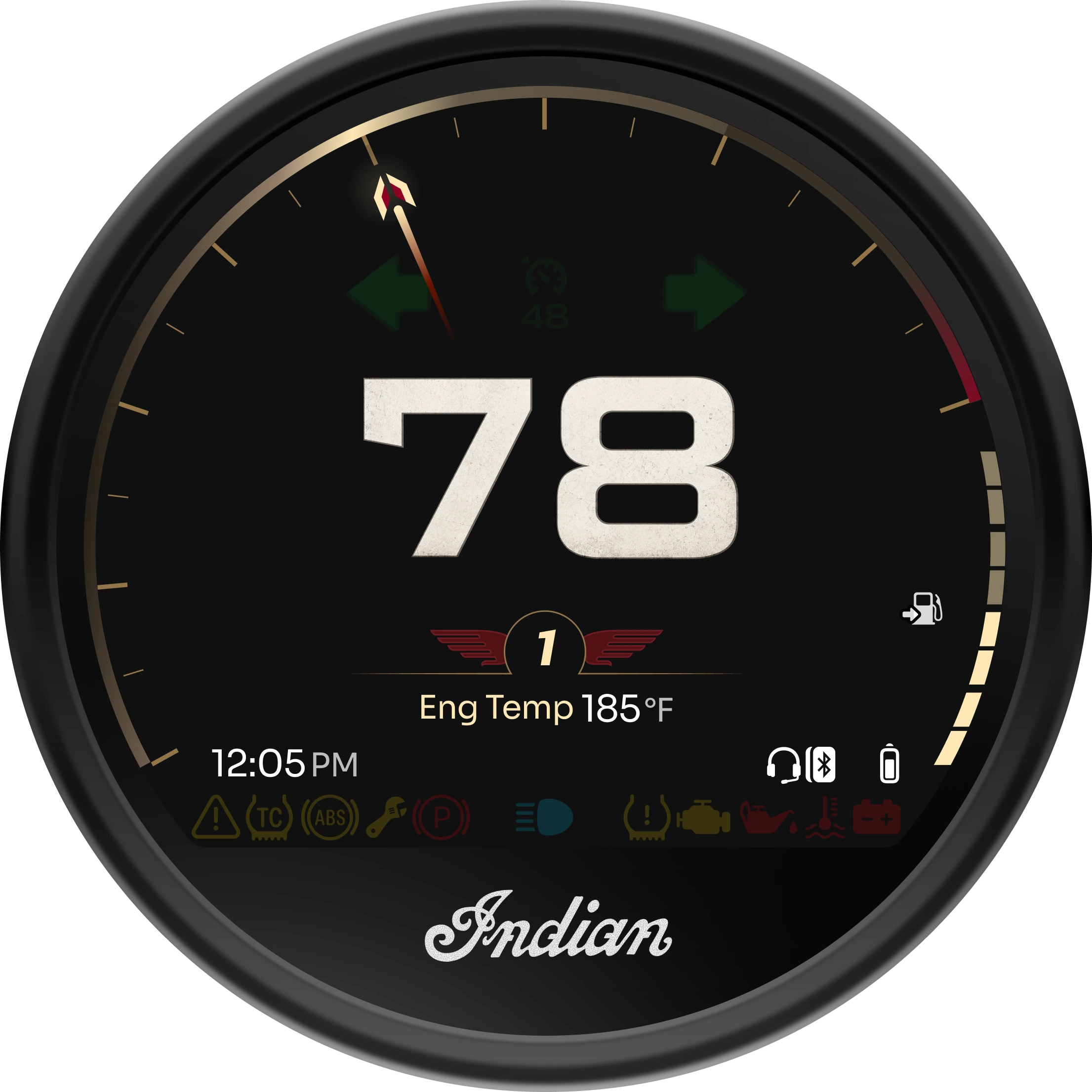
Home Page
Companion App
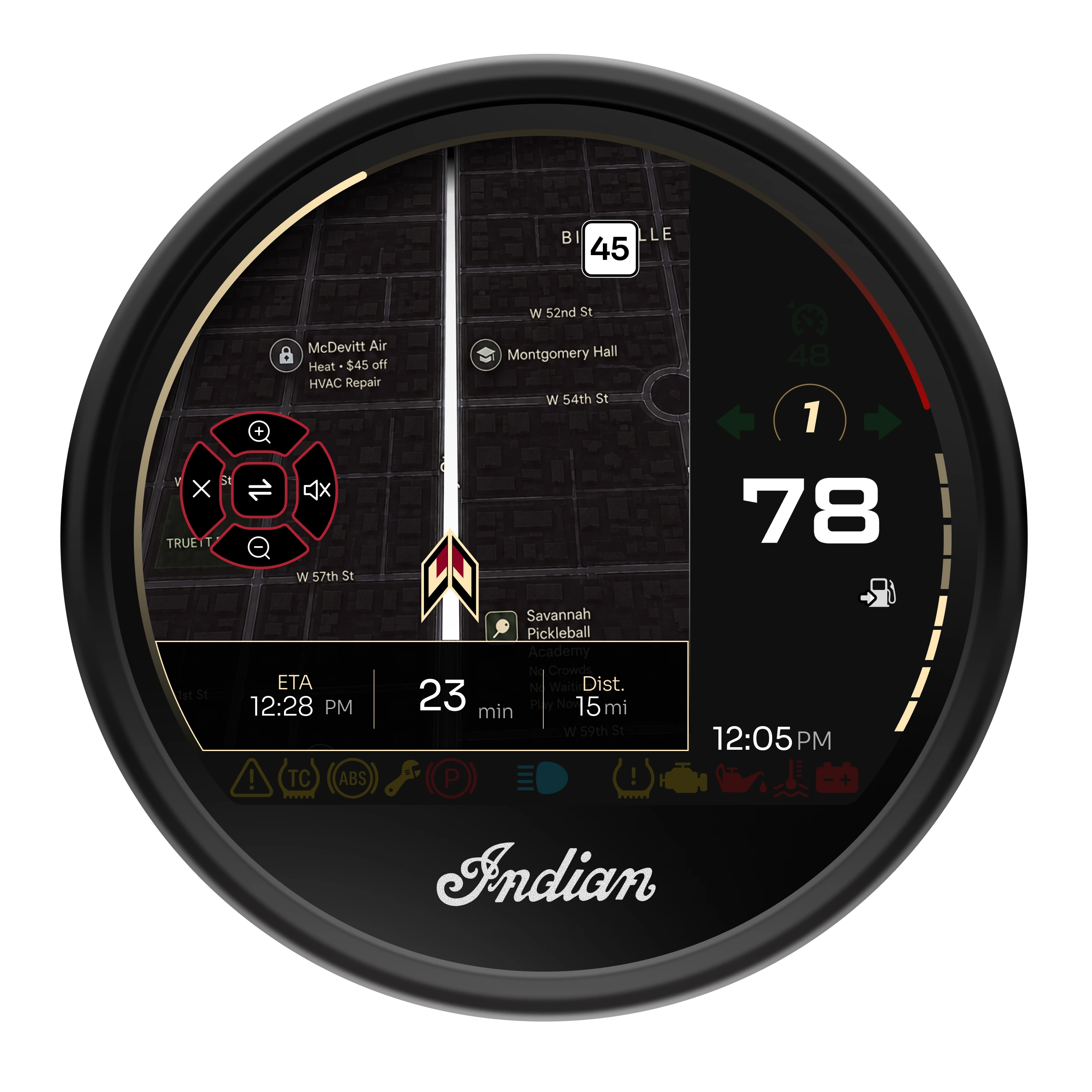
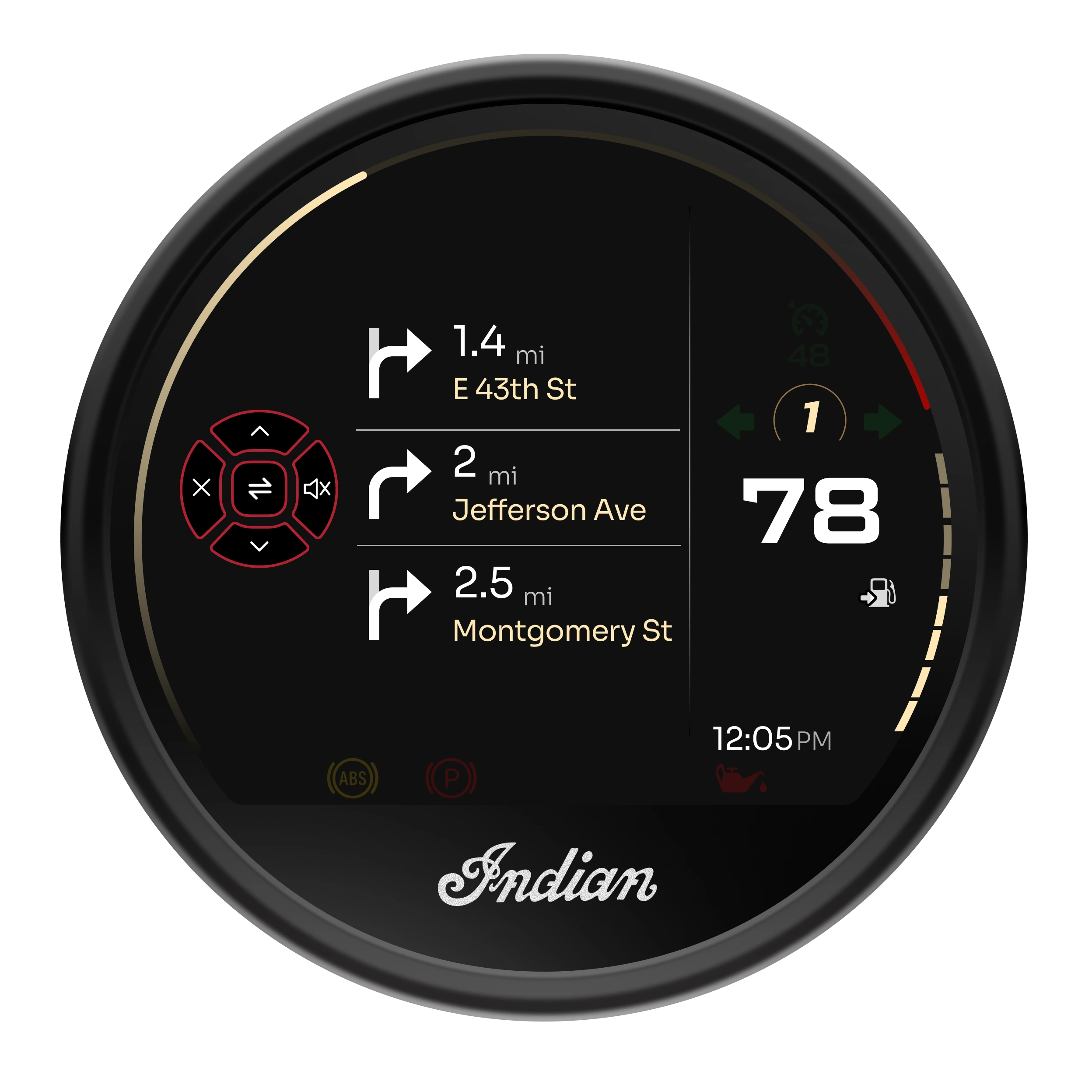
Five Navigation Mode


Crafted
Secondary Research
Study the existing brand image
Background
Key Moments in Brand History
Primary Research
Research Process
Primary Research
Problem 1: Low Brand Recognition
Primary Research
Problem 2: Low Brand Recognition
Insight
Three Levels of the Problem
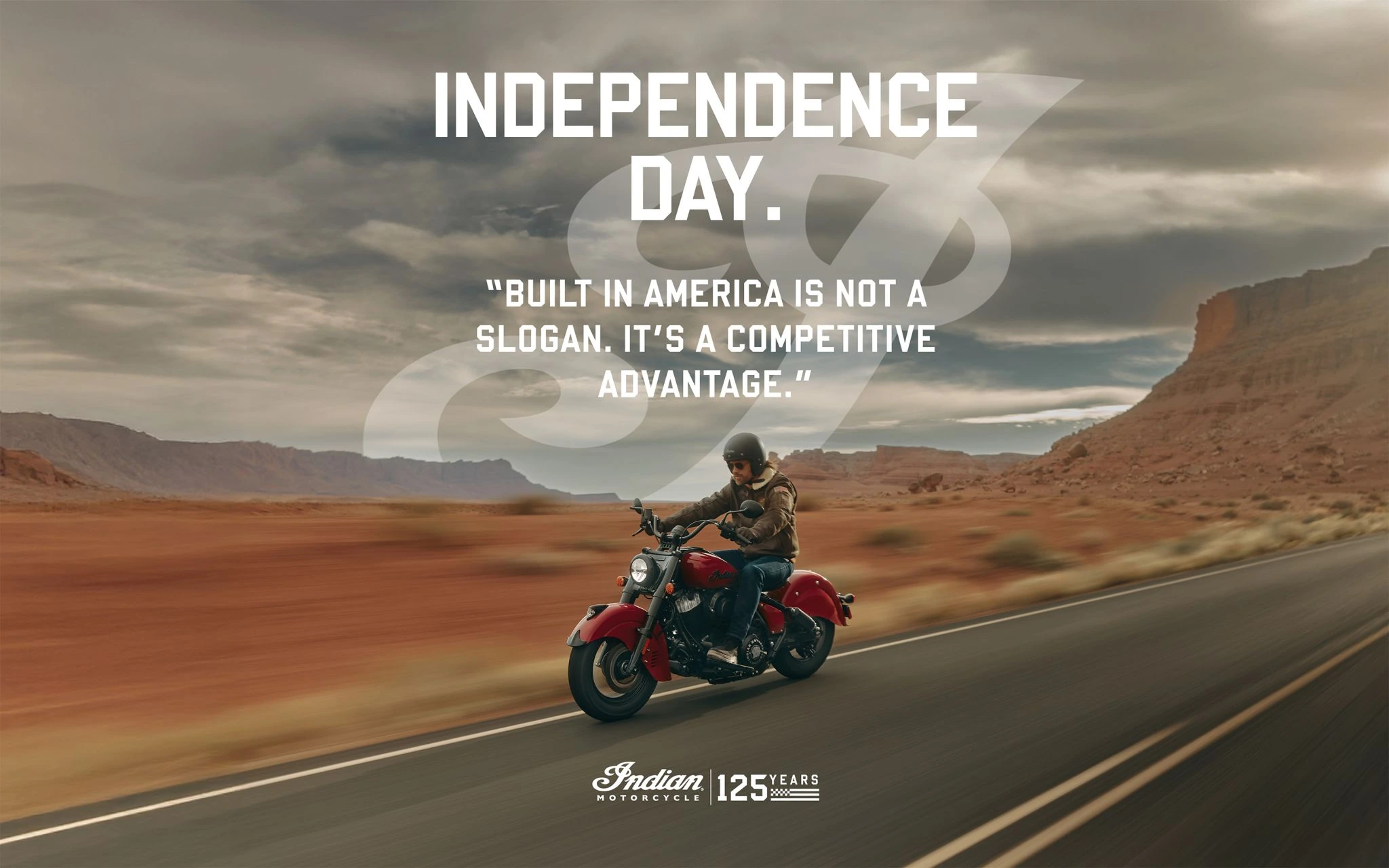
Indian Motorcycle’s independence in February 2026 marks a pivotal moment for the brand. For the first time in over a decade, Indian has a rare opportunity to redefine its identity on its own terms and reconsider how its 125-year legacy should live across modern digital touchpoints.
However, today, its digital language still borrows from generic infotainment systems that could belong to any motorcycle brand.


Watermark
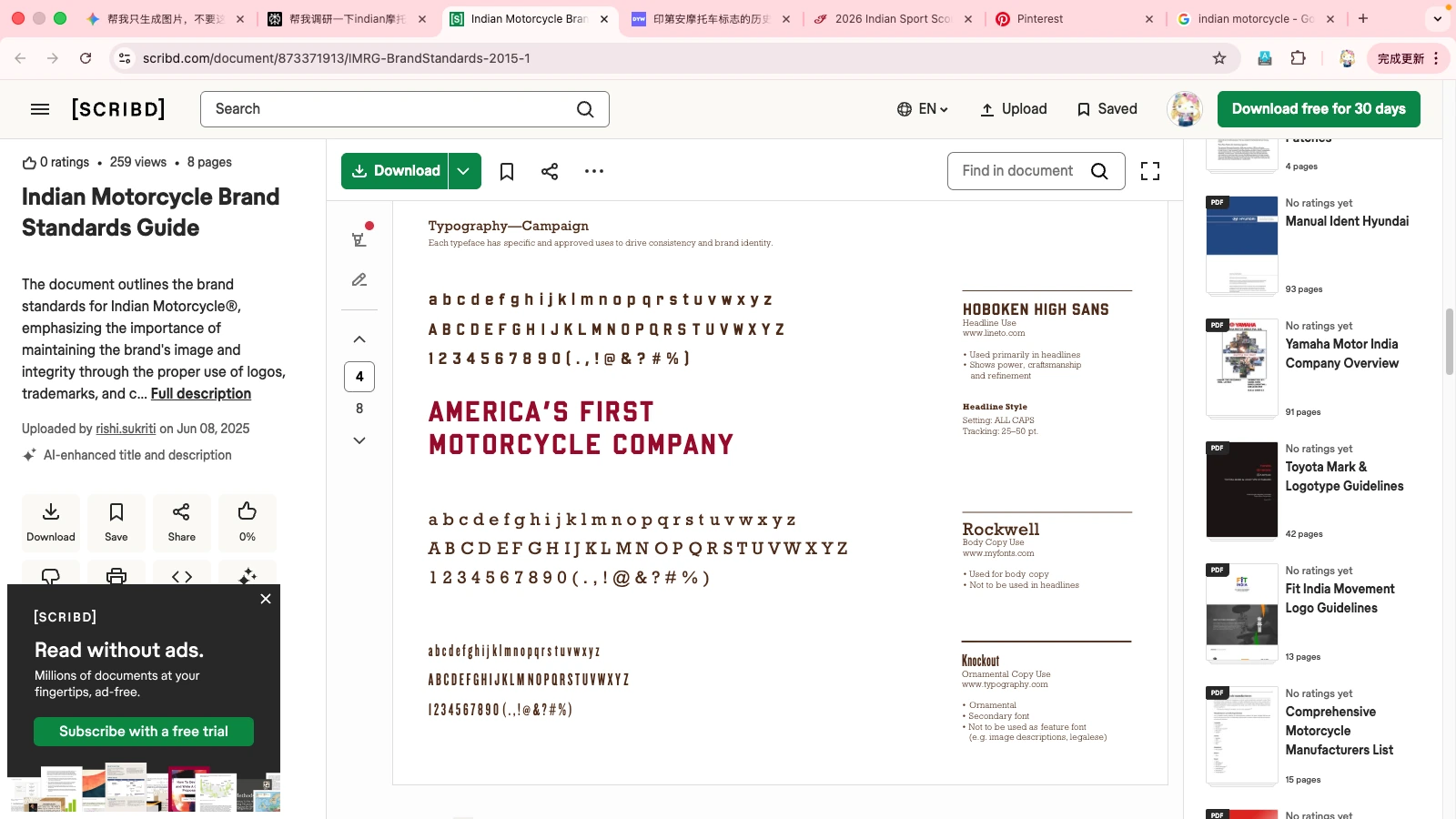
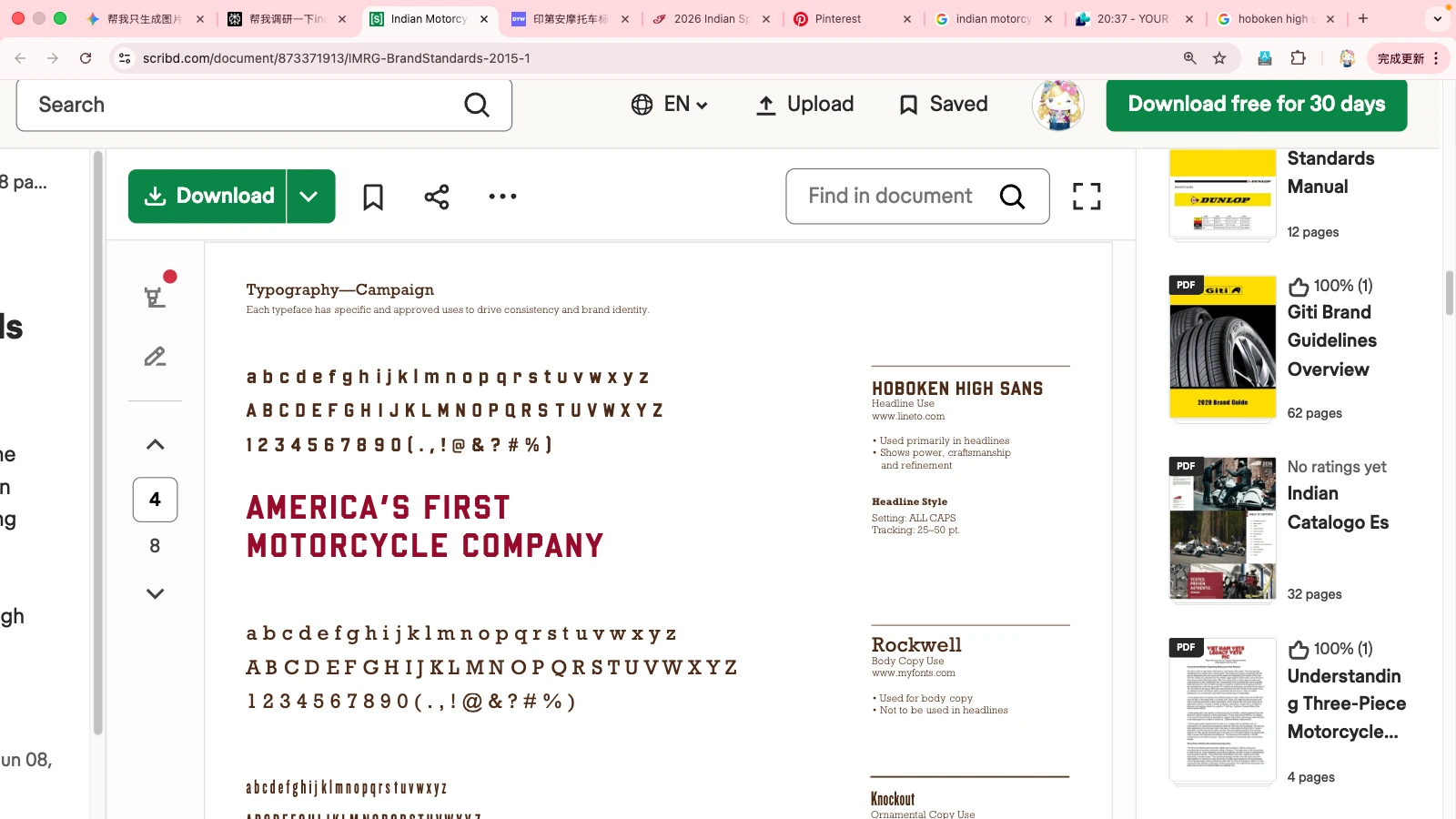
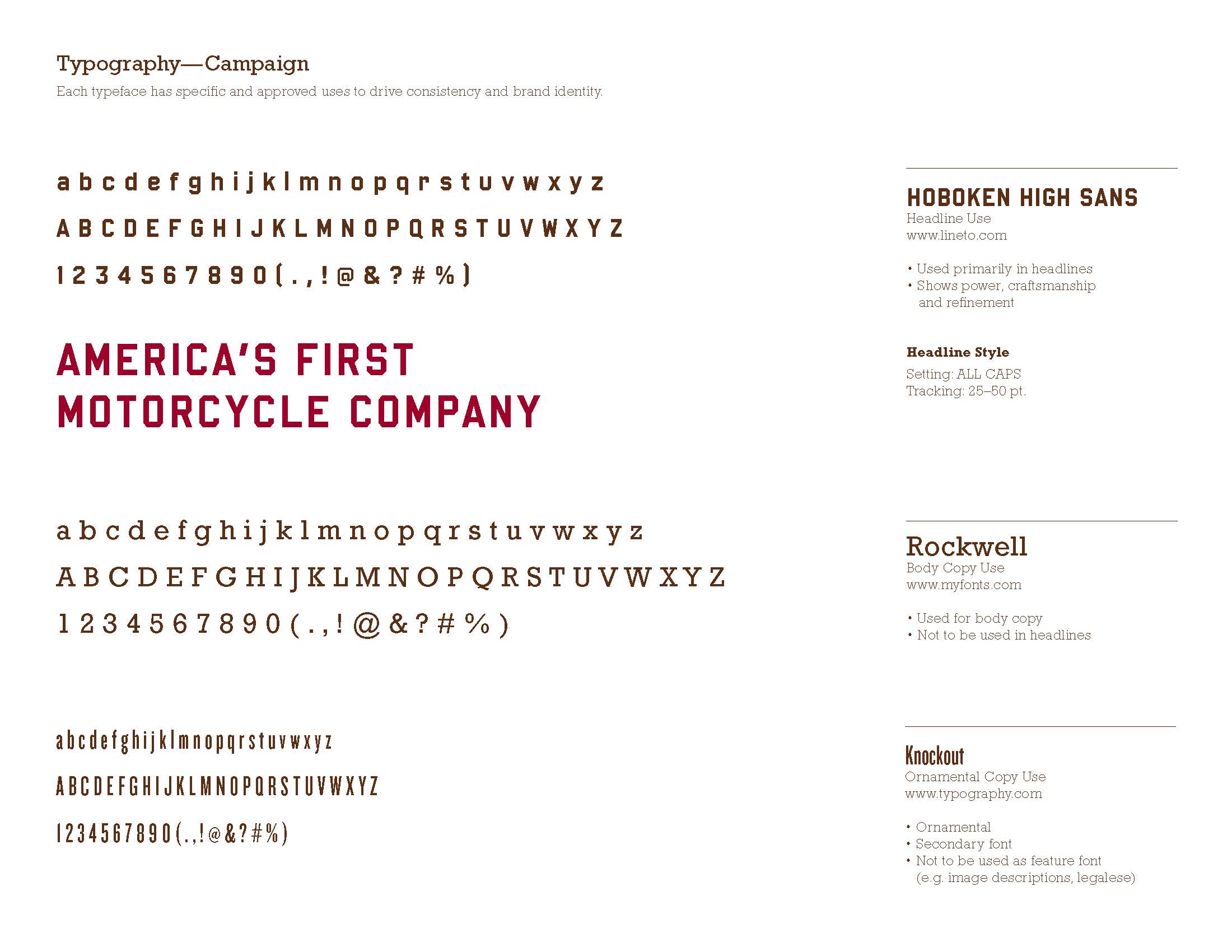
Typography
Brand Color Palette
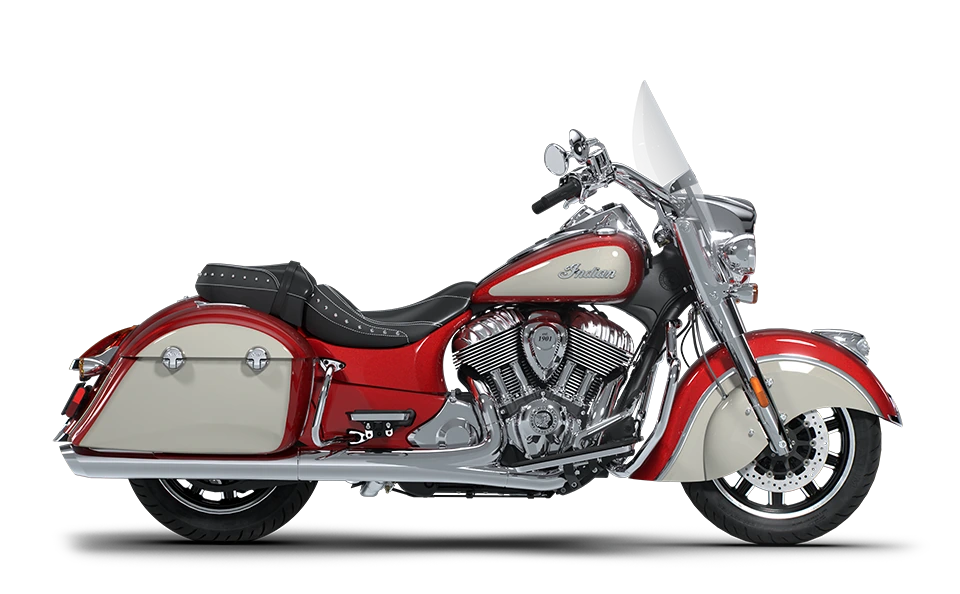
American
Heritage
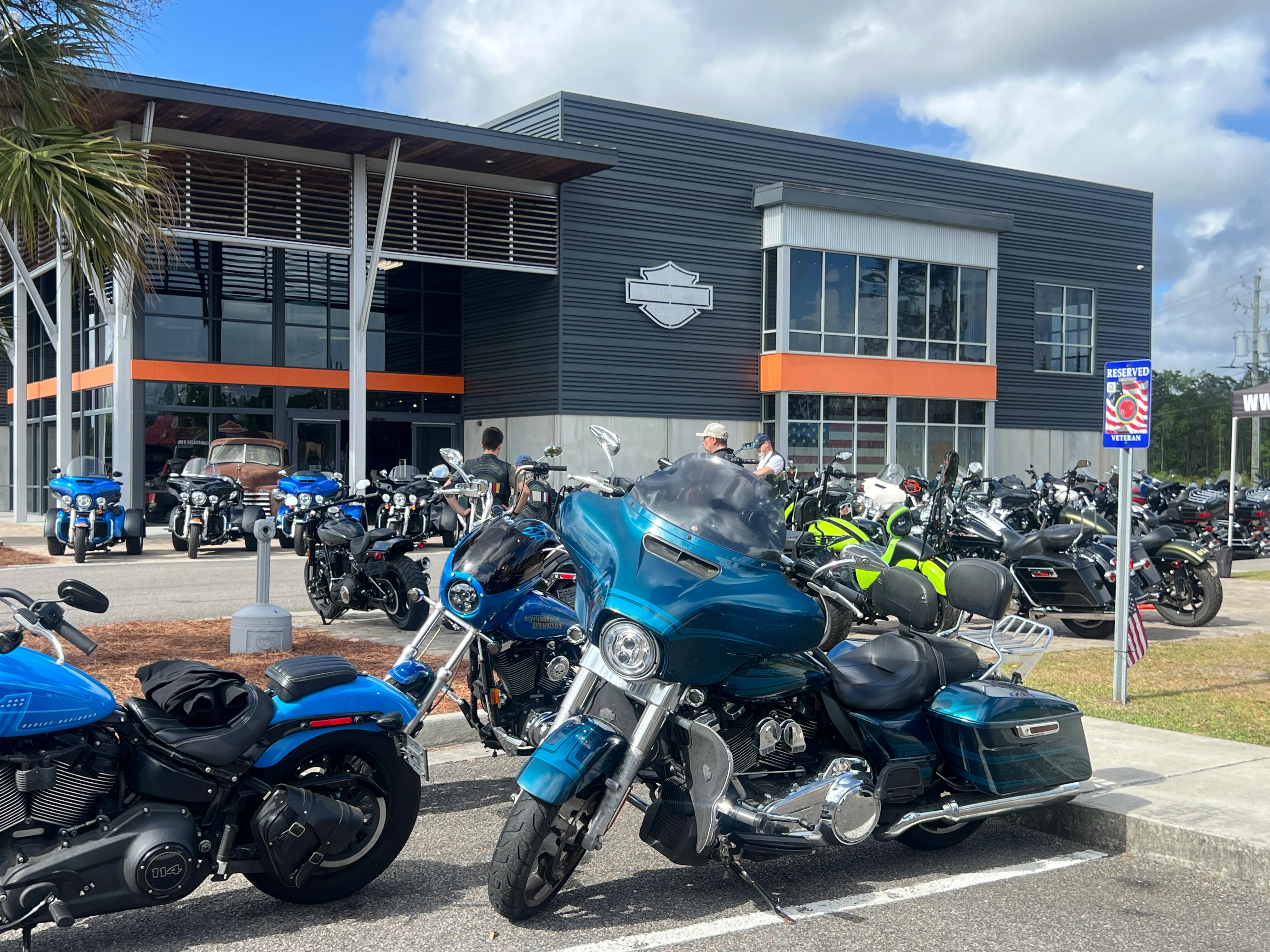
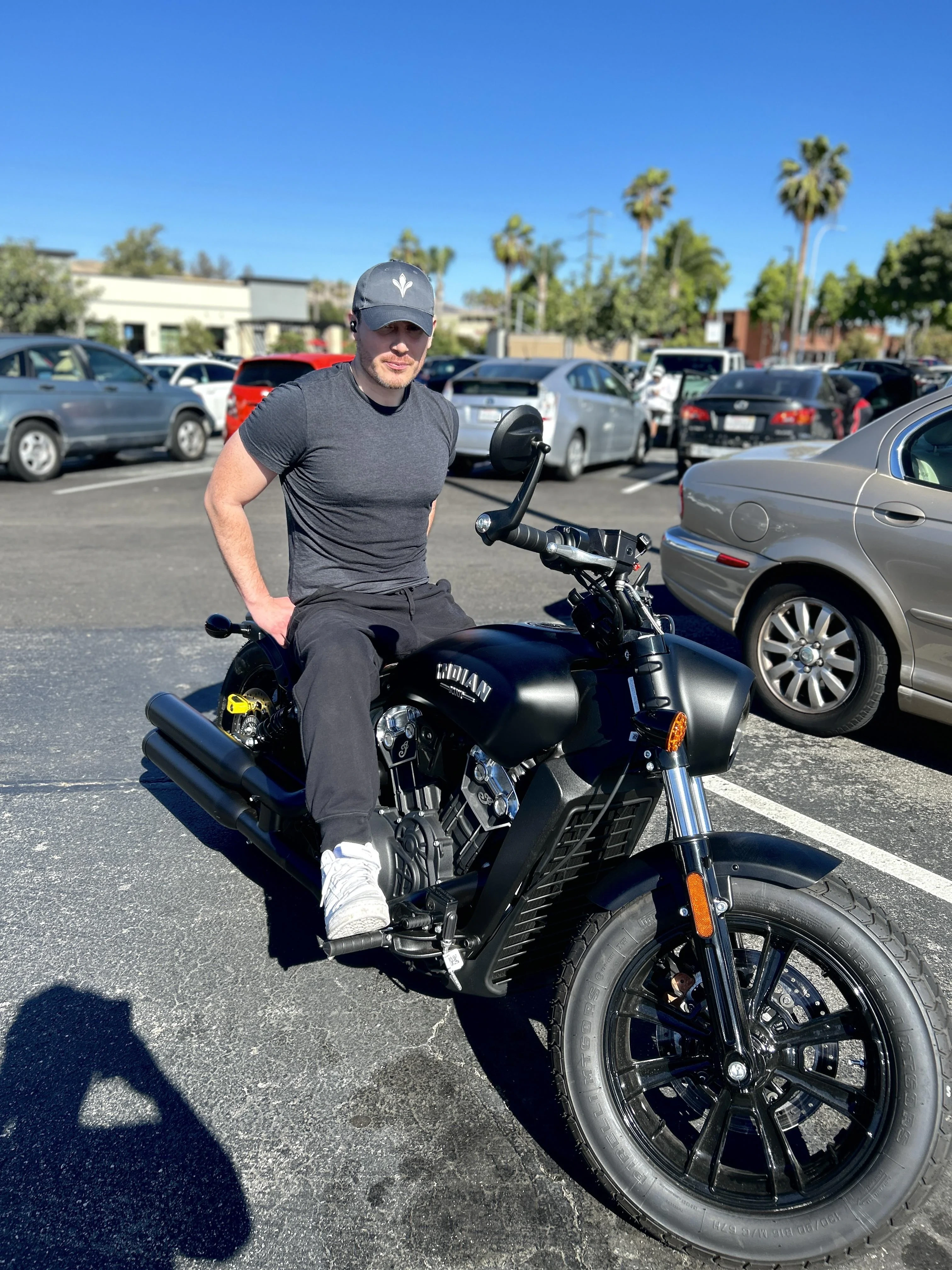
To understand not only Indian riders’ pain points and expectations, but also the broader needs of motorcycle riders, I conducted in-person interviews across several motorcycle dealerships.
3+
Dealerships
12+
Users
5+
experts


I'm not really sure.
Tribe, freedom, family, generations, the open road...
Harley Driver
Indian Driver
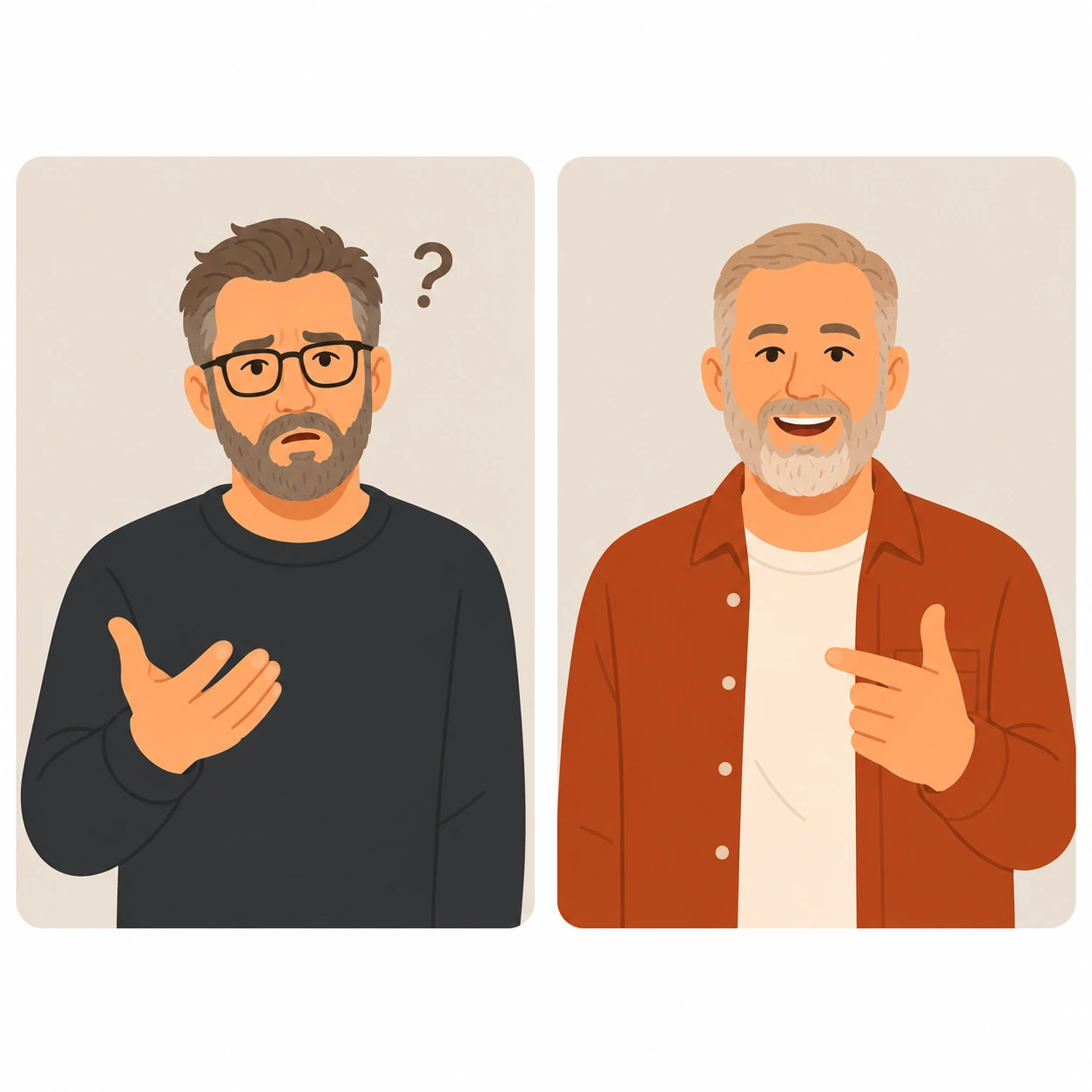
When I asked, “What does this brand mean to you?” many Indian owners struggled to answer, often saying, “I’m not really sure.” In contrast, Harley owners immediately spoke about tribe, freedom, family, tradition, Sturgis, patches, and the open road...
Product Level
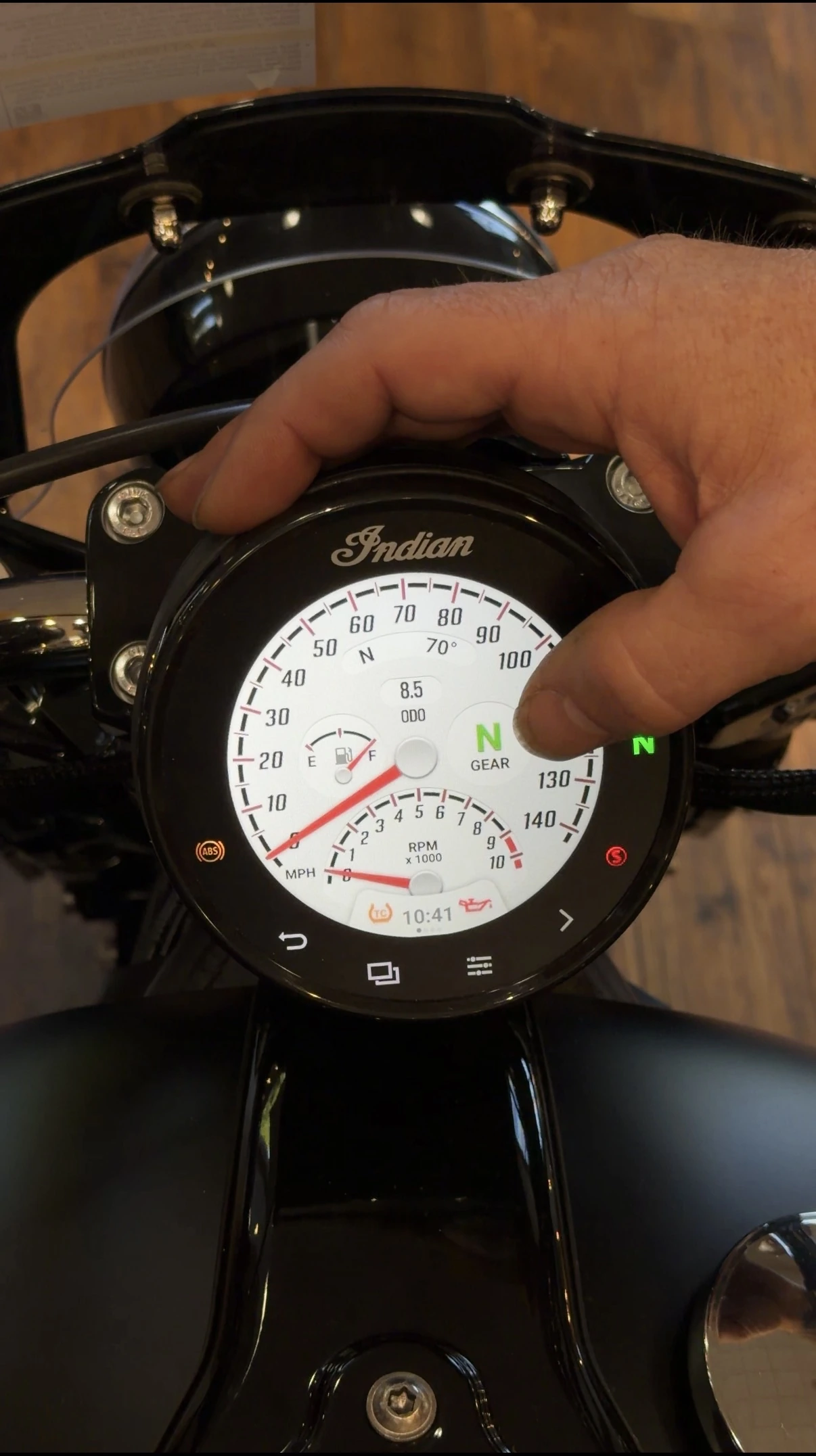
Dense information, weak hierarchy, and screen glare reduce readability at a glance, increasing rider distraction and potential safety risks.
User Level
Compared with Harley’s strong rider culture, Indian offers less sense of belonging, shared identity, and community.
Brand Level
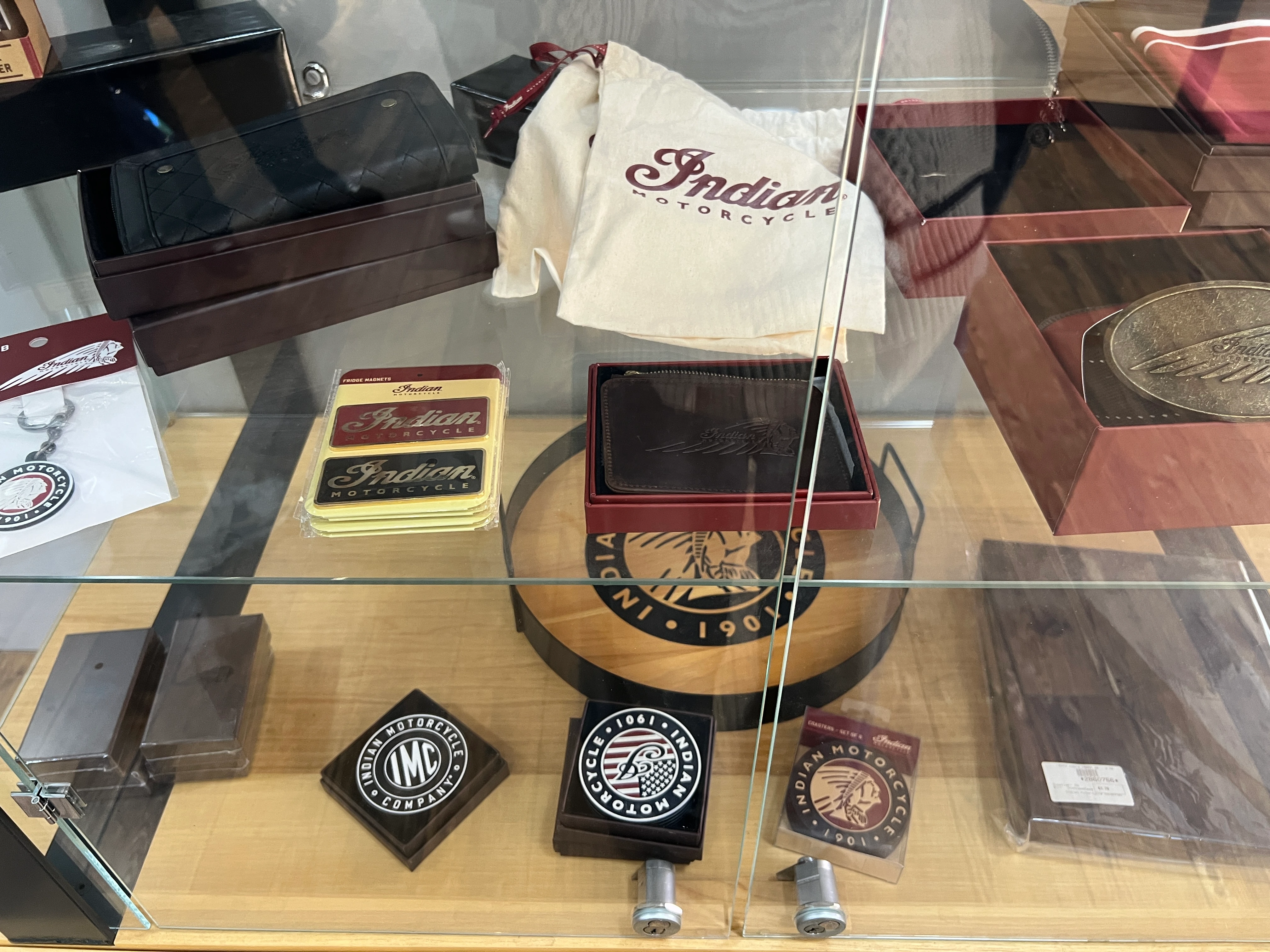
Indian has built a clear rider base but lacks a distinctive brand voice. Visual language borrows from Harley. Interface feels generic.





Ideation
Initial Structure Exploration
Ideation
Culture Mode
Ideation
Refined Information Architecture
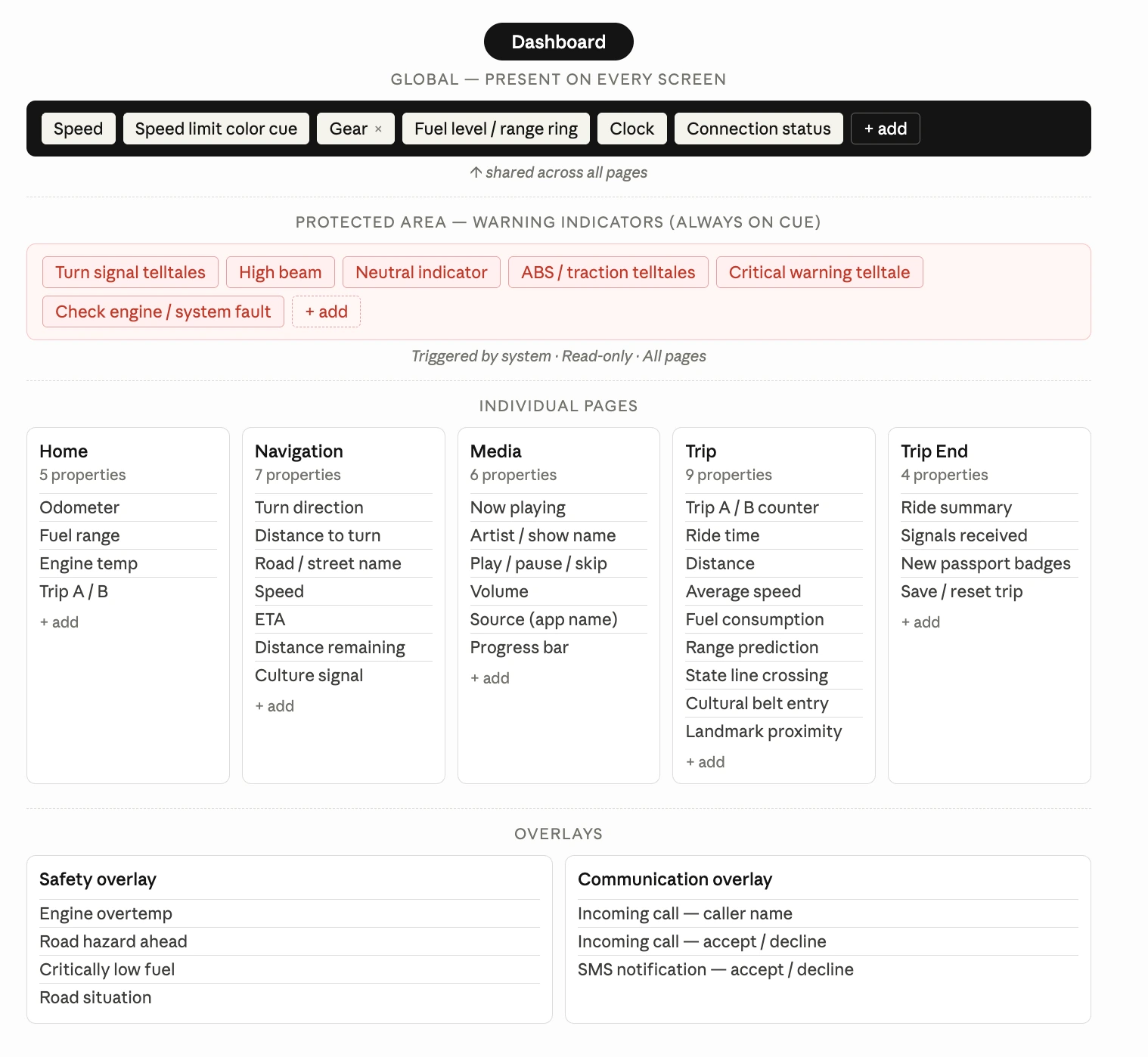

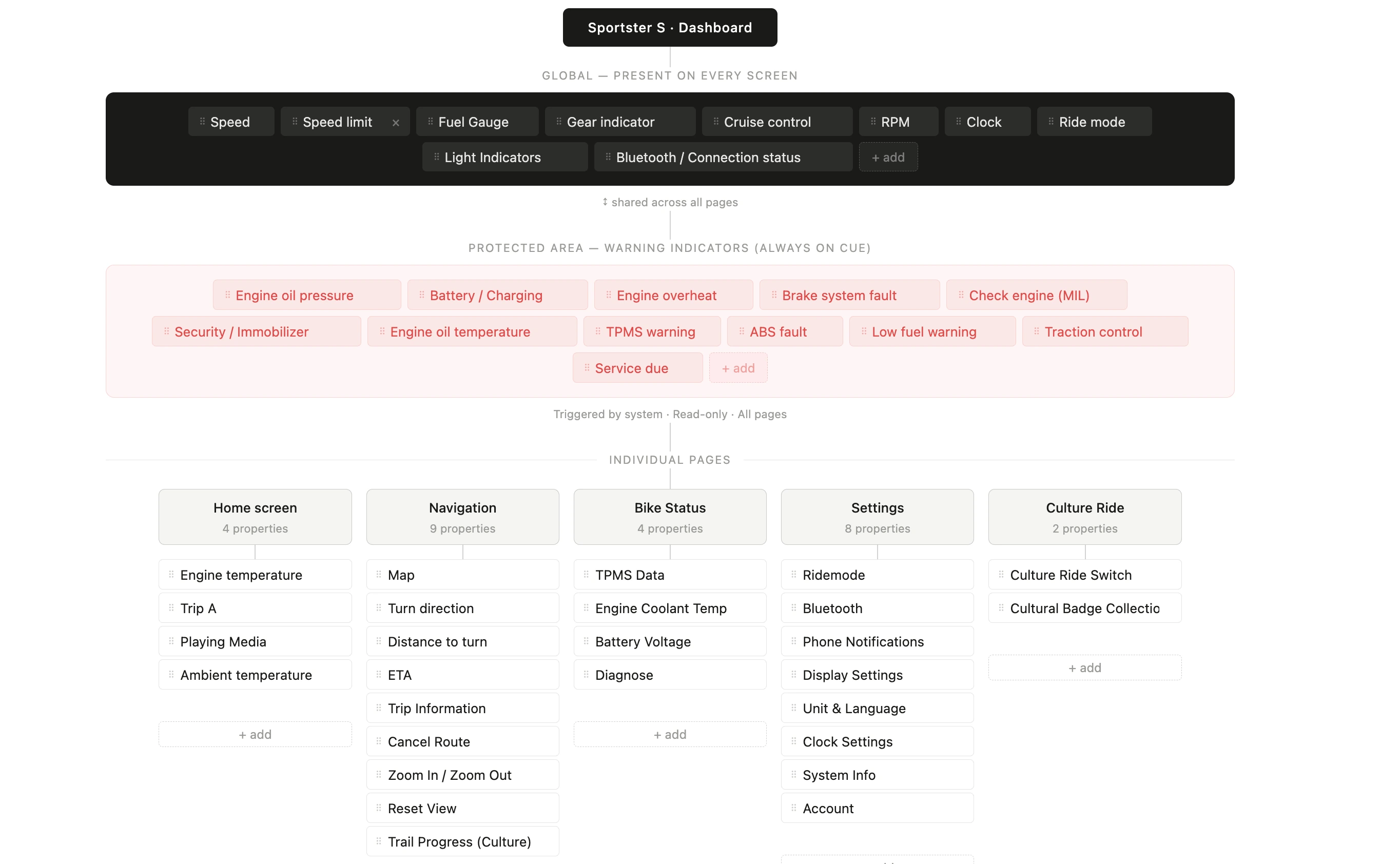
Culture Mode turns curated cultural routes into meaningful riding experiences, connecting riders with landmarks, stories, and local culture. Each ride becomes collectible badges and memories that strengthen identity, belonging, and connection with Indian Motorcycle.

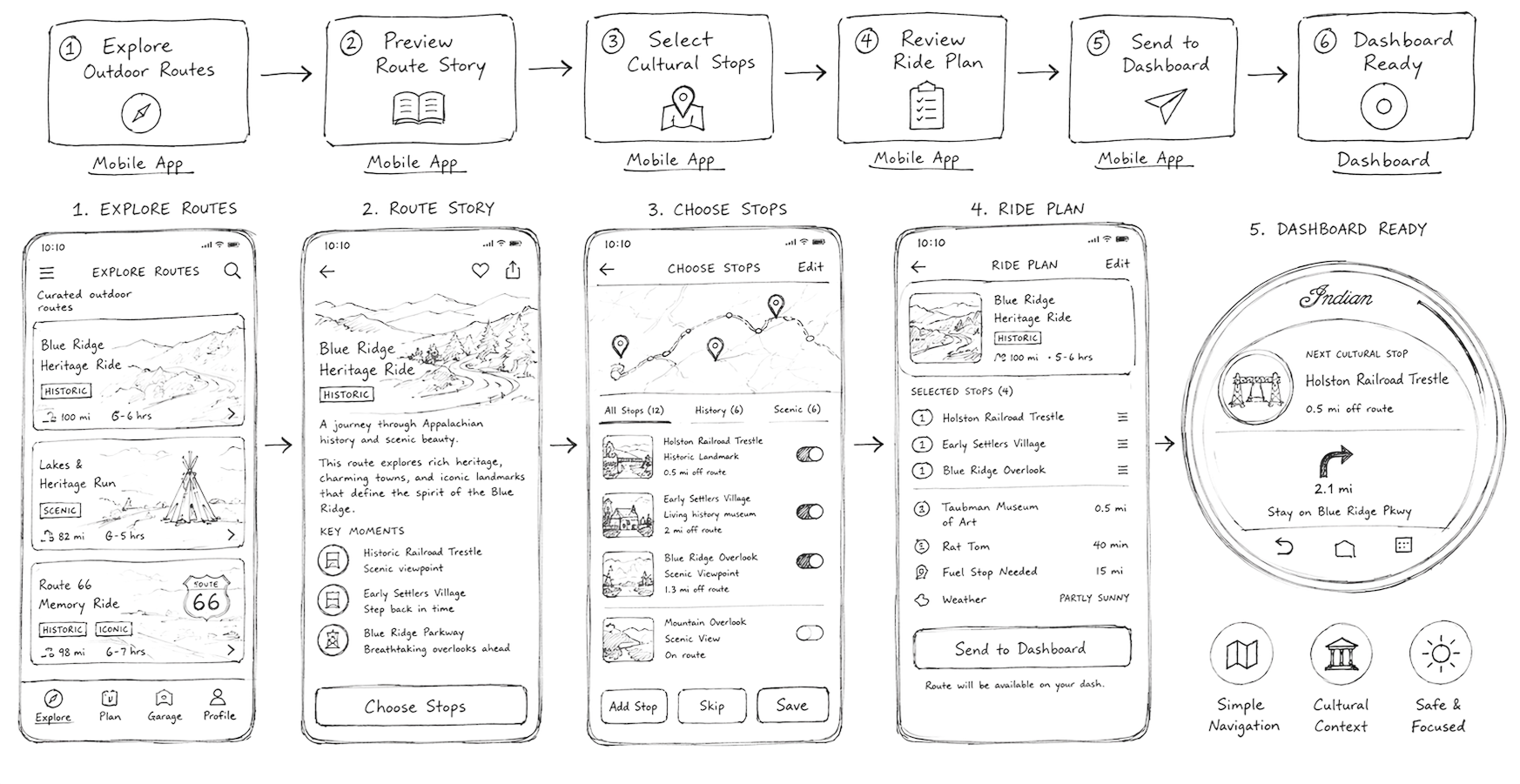
Before Riding

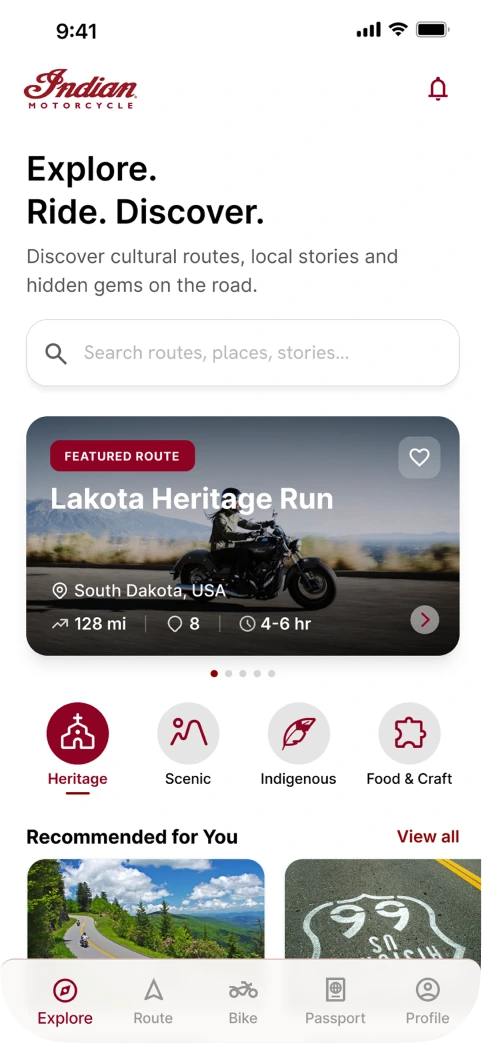
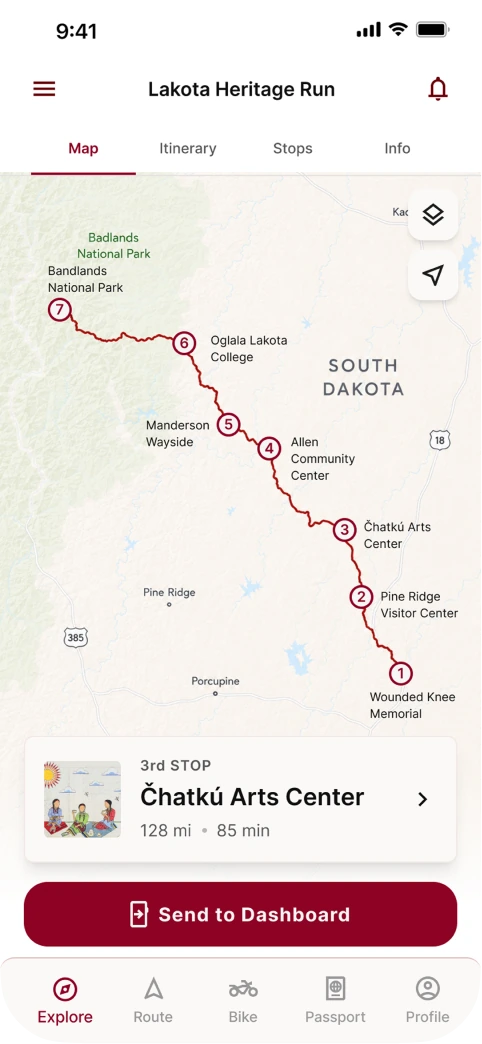
For Culture Mode, riders plan their journey before riding by exploring cultural routes, previewing route stories, selecting meaningful stops, and sending the final route to the dashboard.
During Riding
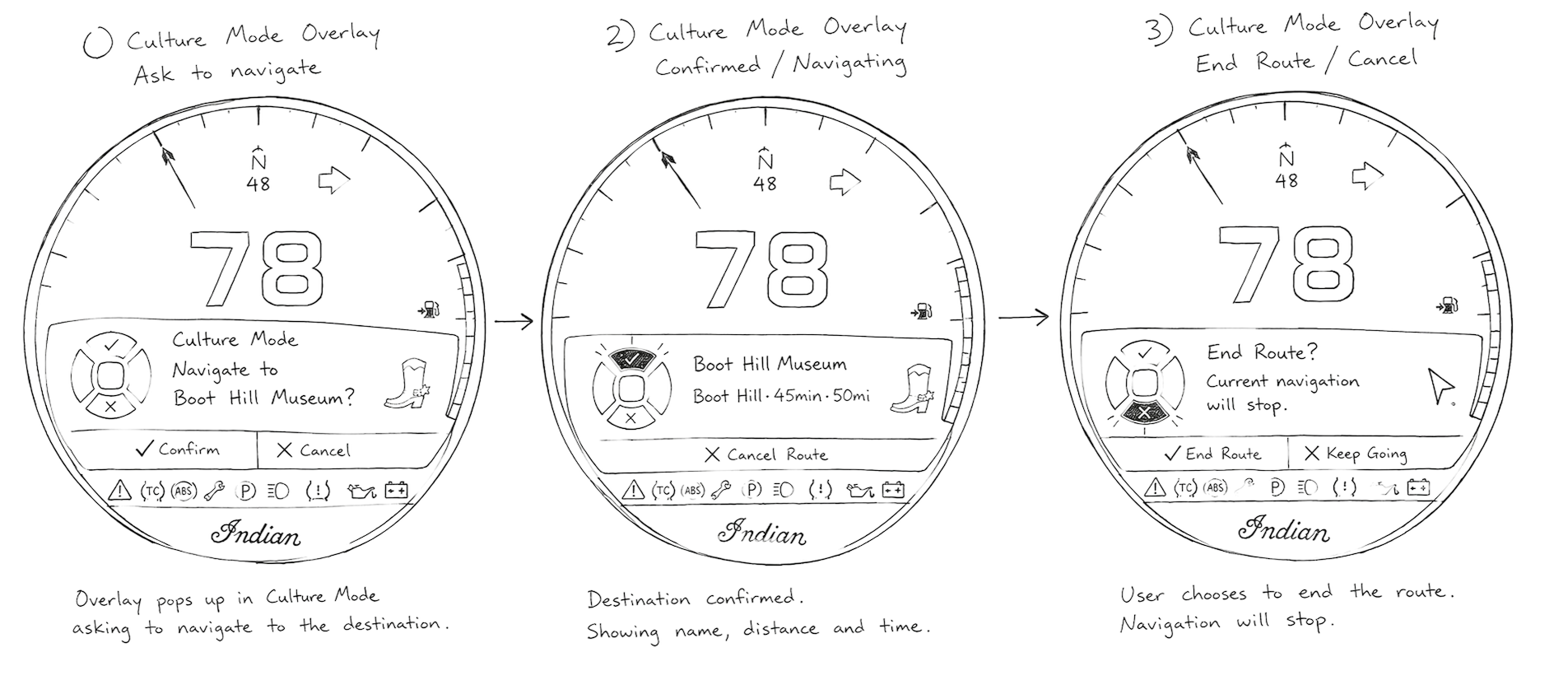
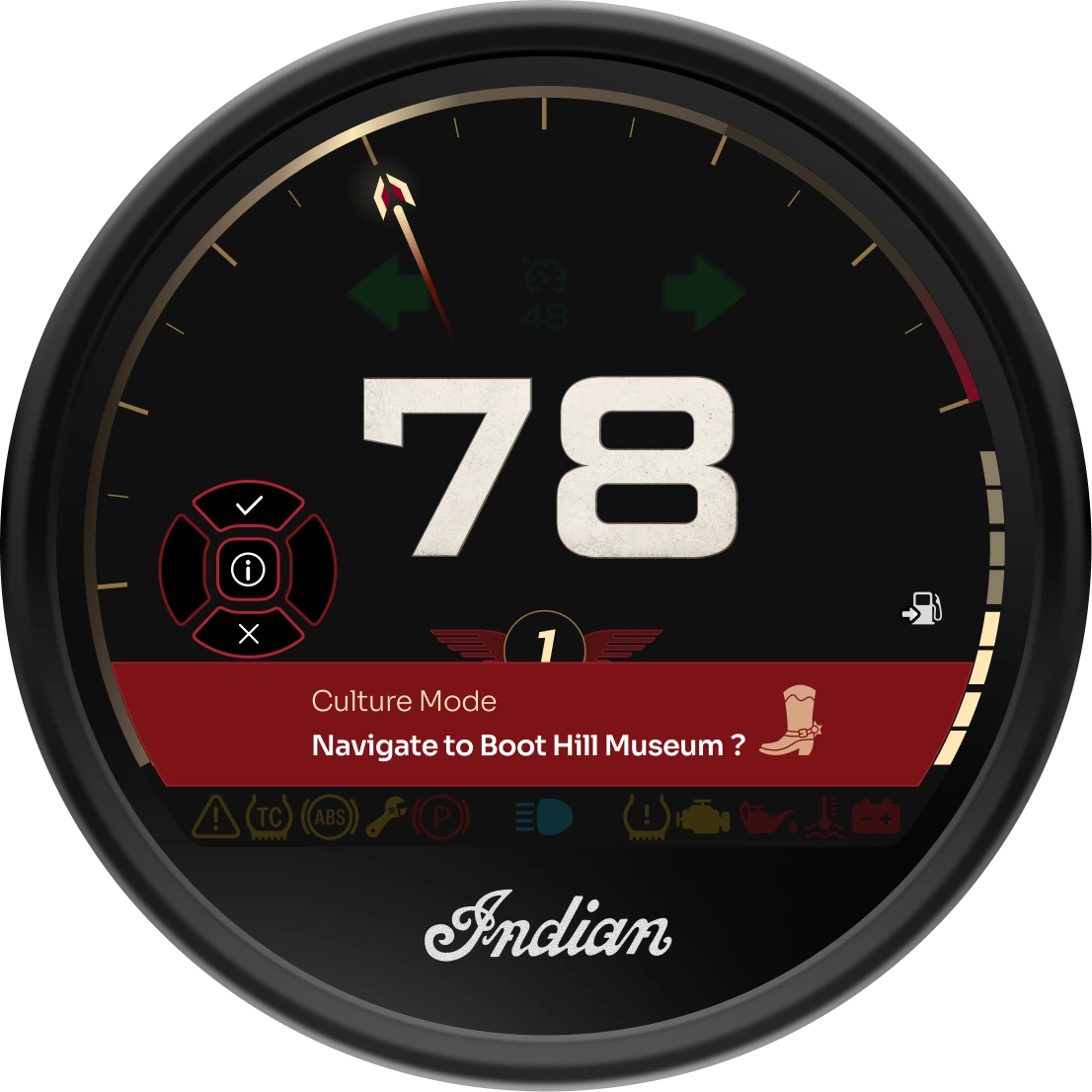
As riders approach a cultural landmark, Culture Mode surfaces a simple prompt to explore or continue, minimizing distraction while enabling discovery.
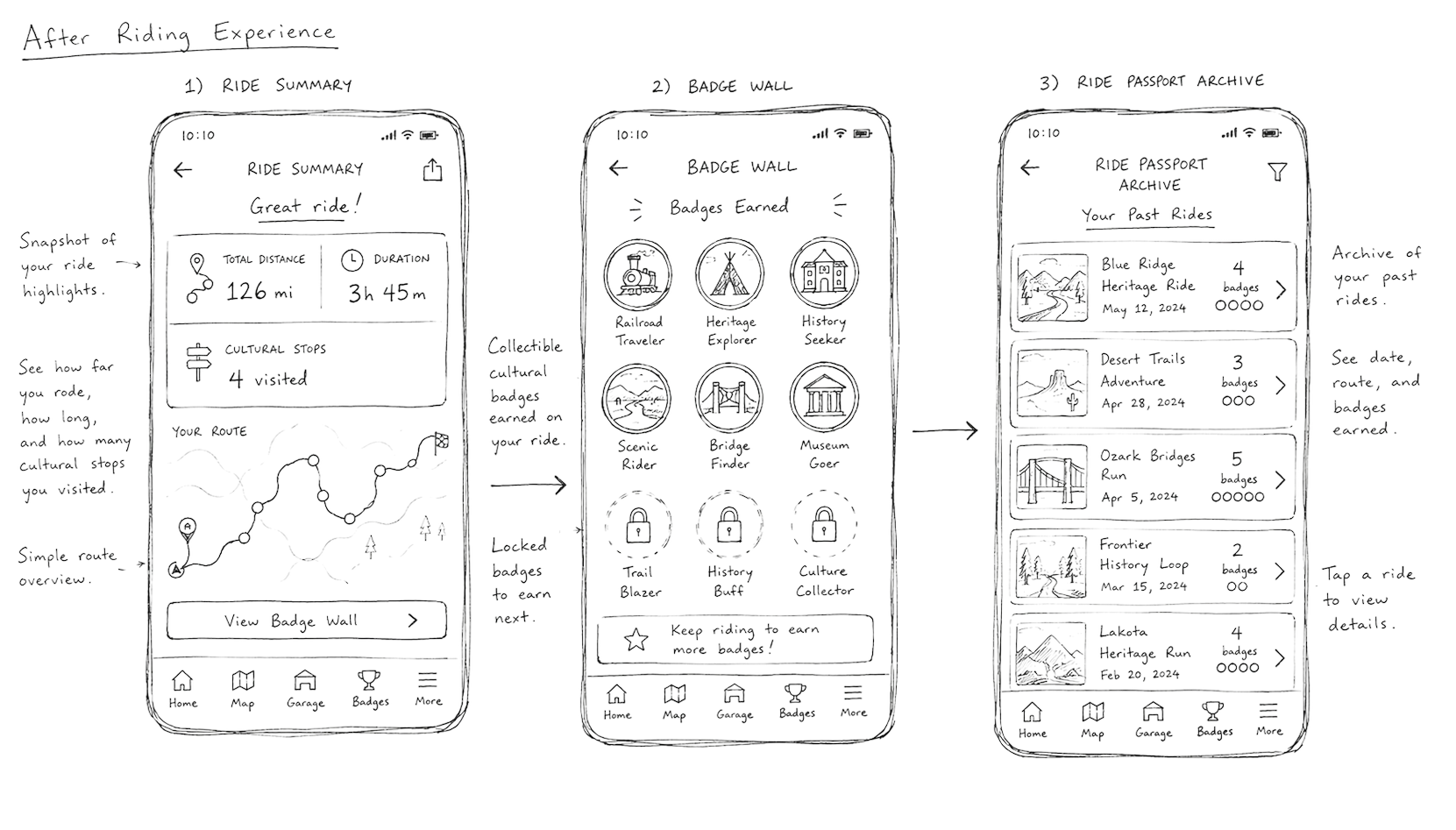
After Riding
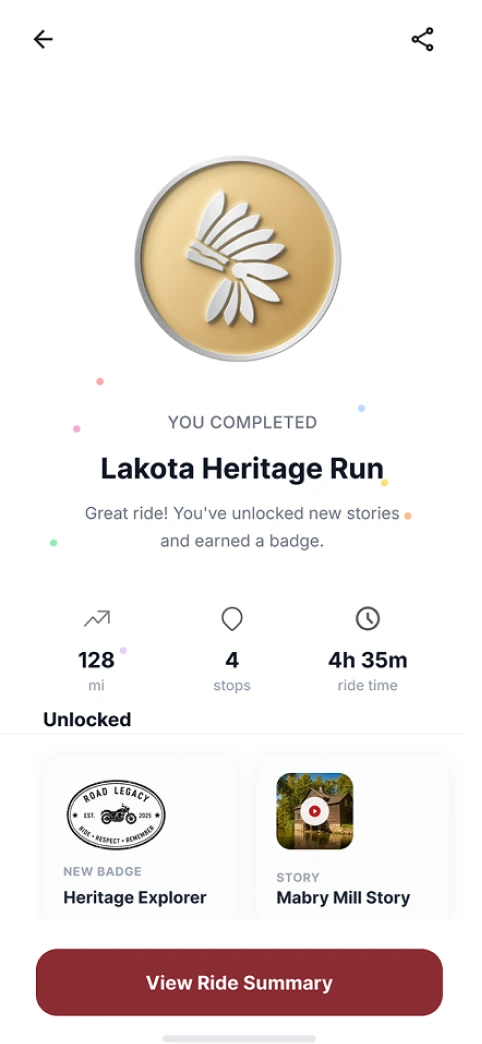
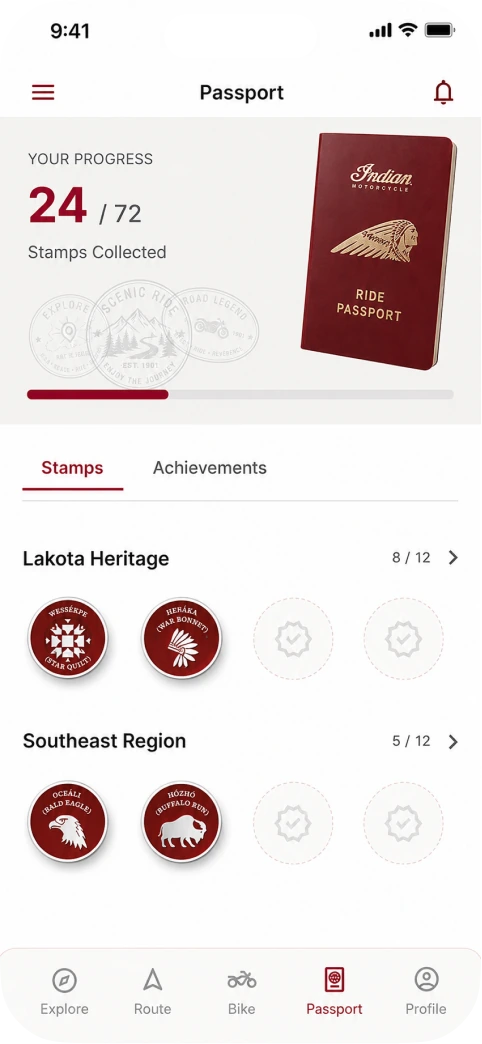
After the ride, riders can revisit their journey, stories, and earned badges across the dashboard and app. The Ride Passport Archive turns each route into a lasting memory that grows with every ride.
Design
Style Sheet
Design
Final Design
Design
Interactive Demo
Design
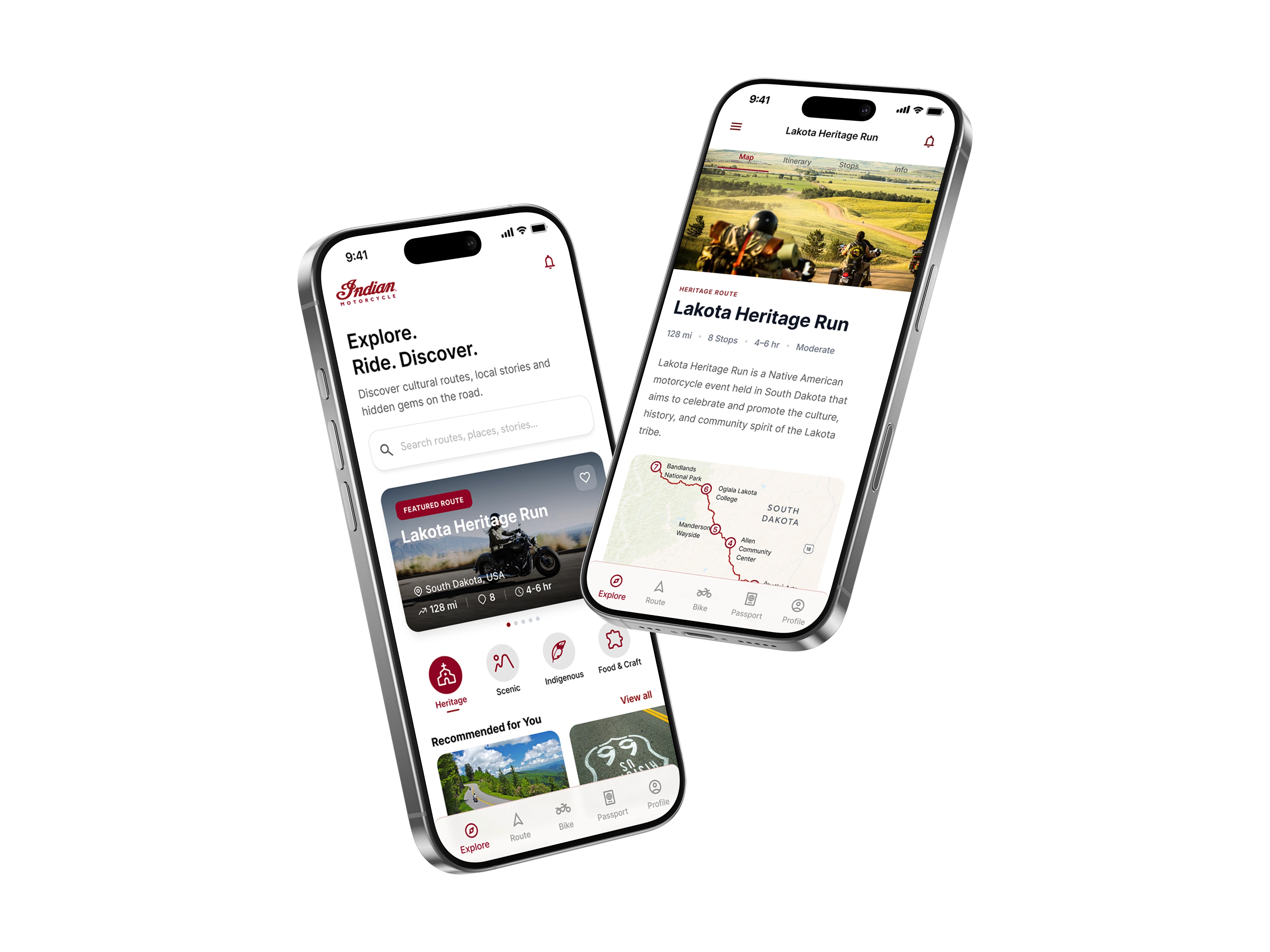
Final APP Design

Primary color
Used for recognition.
Indian Red
#8E0124
Dark Red
#7D1317
Light Red
#B22031
Black
#101010
semantic color
Used For Status, Feedback
Green
#8E0124
Yellow
#B22031
Blue
#B22031
Secondary color
Used For Contrast, And Supporting Emphasis.
Grey
#101010
Light Grey
#585858
White
#F5F5F5
Cream
#FEE7B5
Corporate color system
Typography
Button & Controls

Filled Icon
Use as the primary style of icon across the interface
Circle Button
Used for primary Menu items across the system.



Selected State


Unselected State
Radial Control Button
used for quick map/overlay-related actions.


Selected State


Unselected State
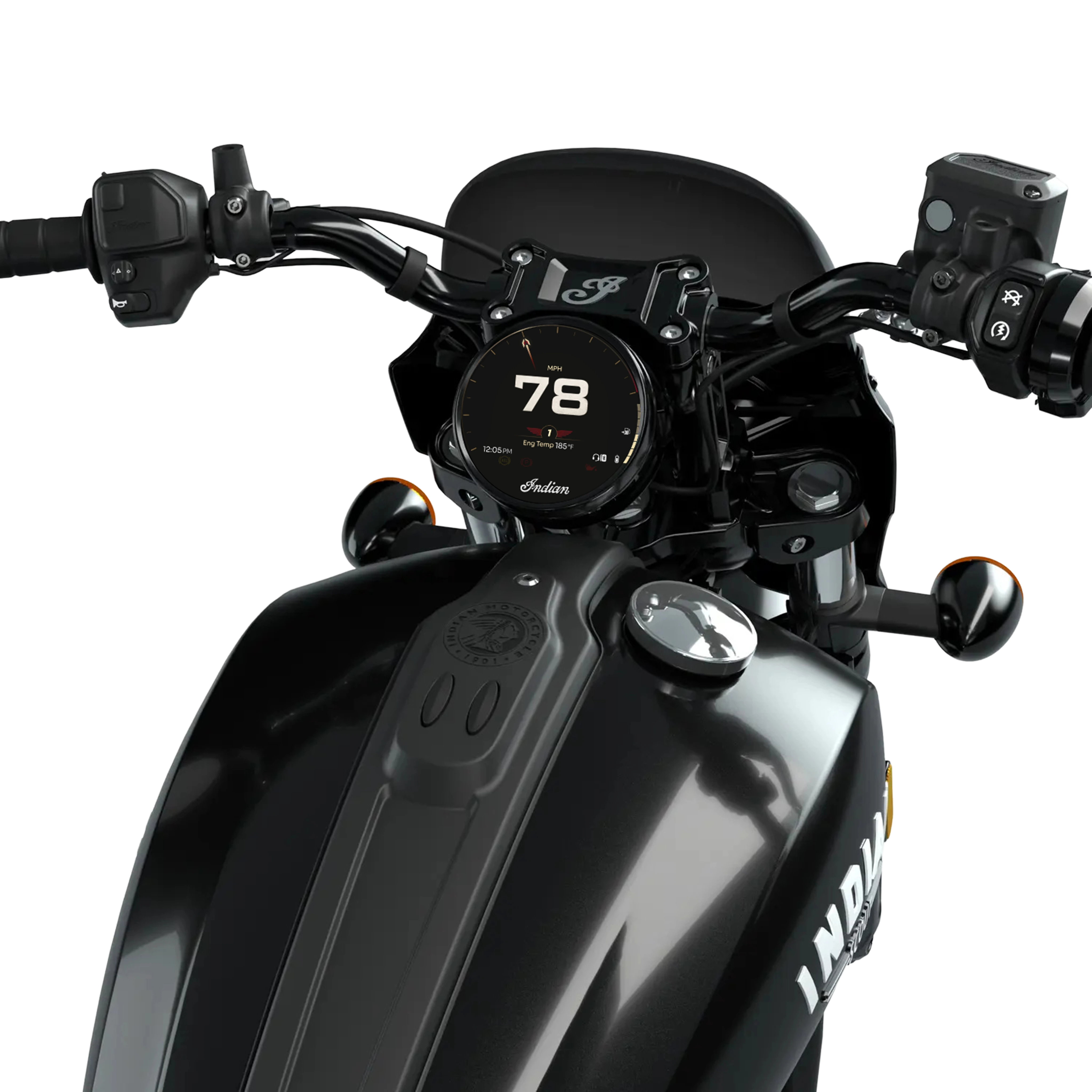
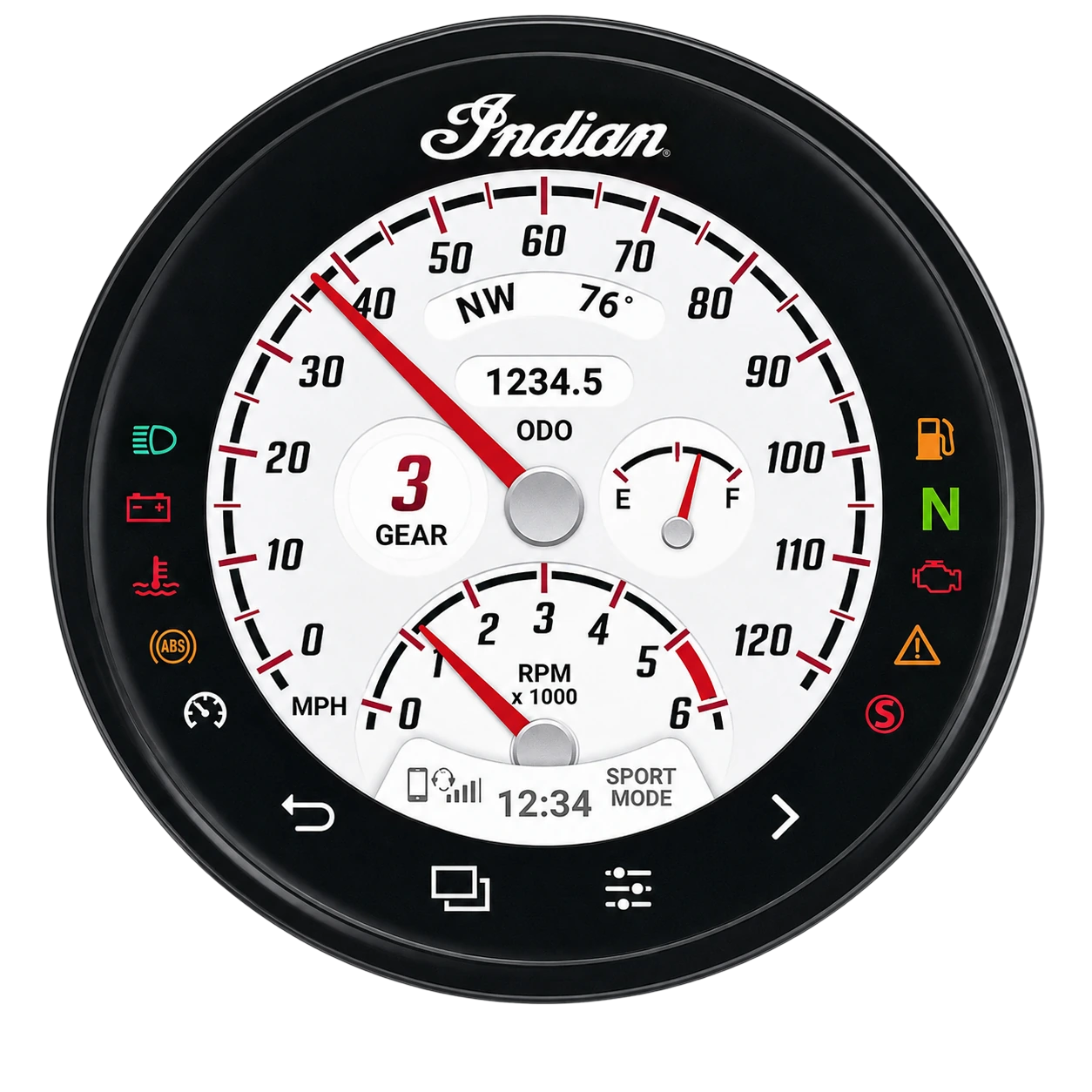
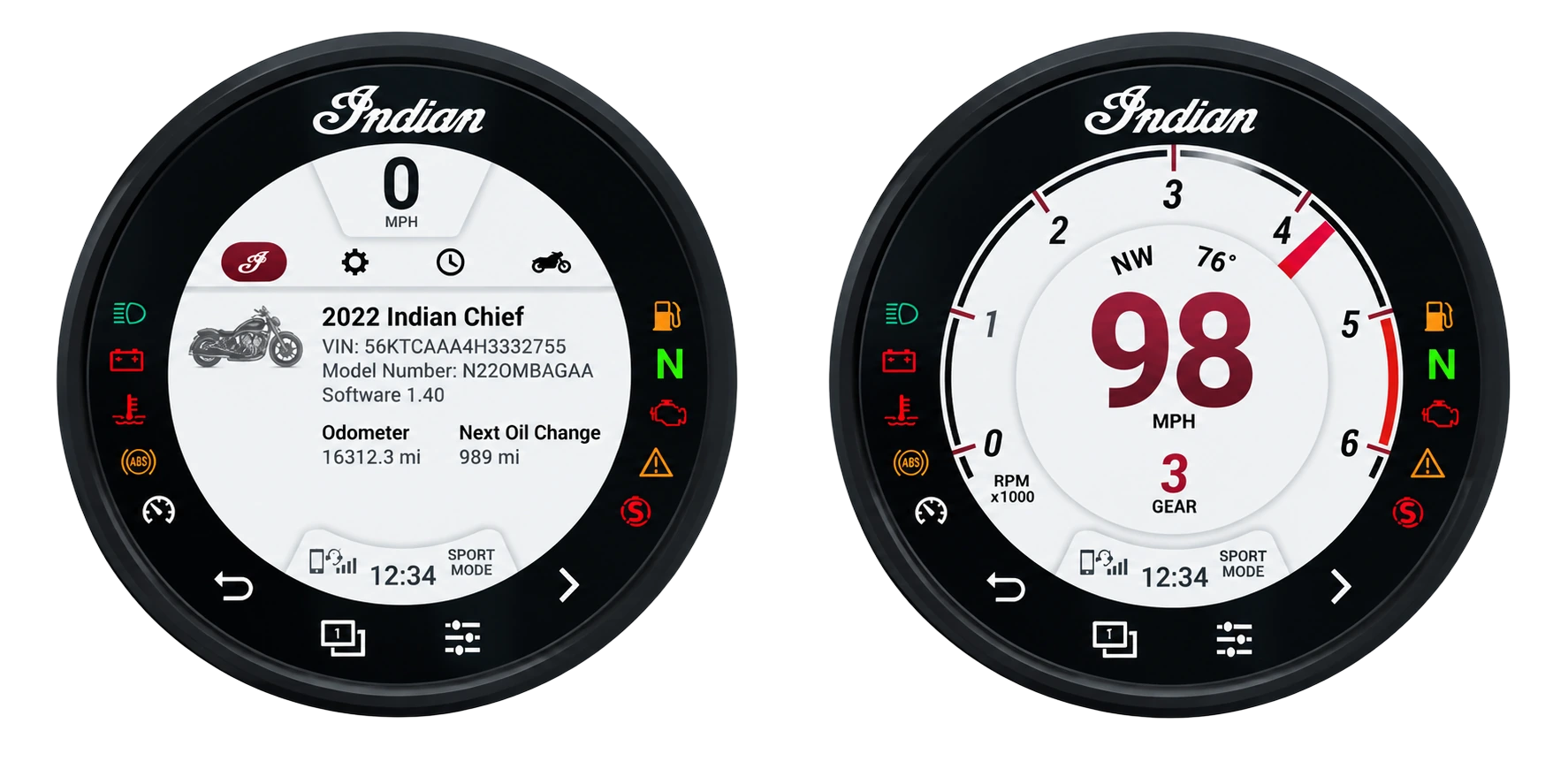
The original interface feels generic, while warning and signal indicators take up too much visual space.
A more refined, retro-inspired and Indian style’s interface while keeping key riding information clear and focused.
Before/Home
After/Home
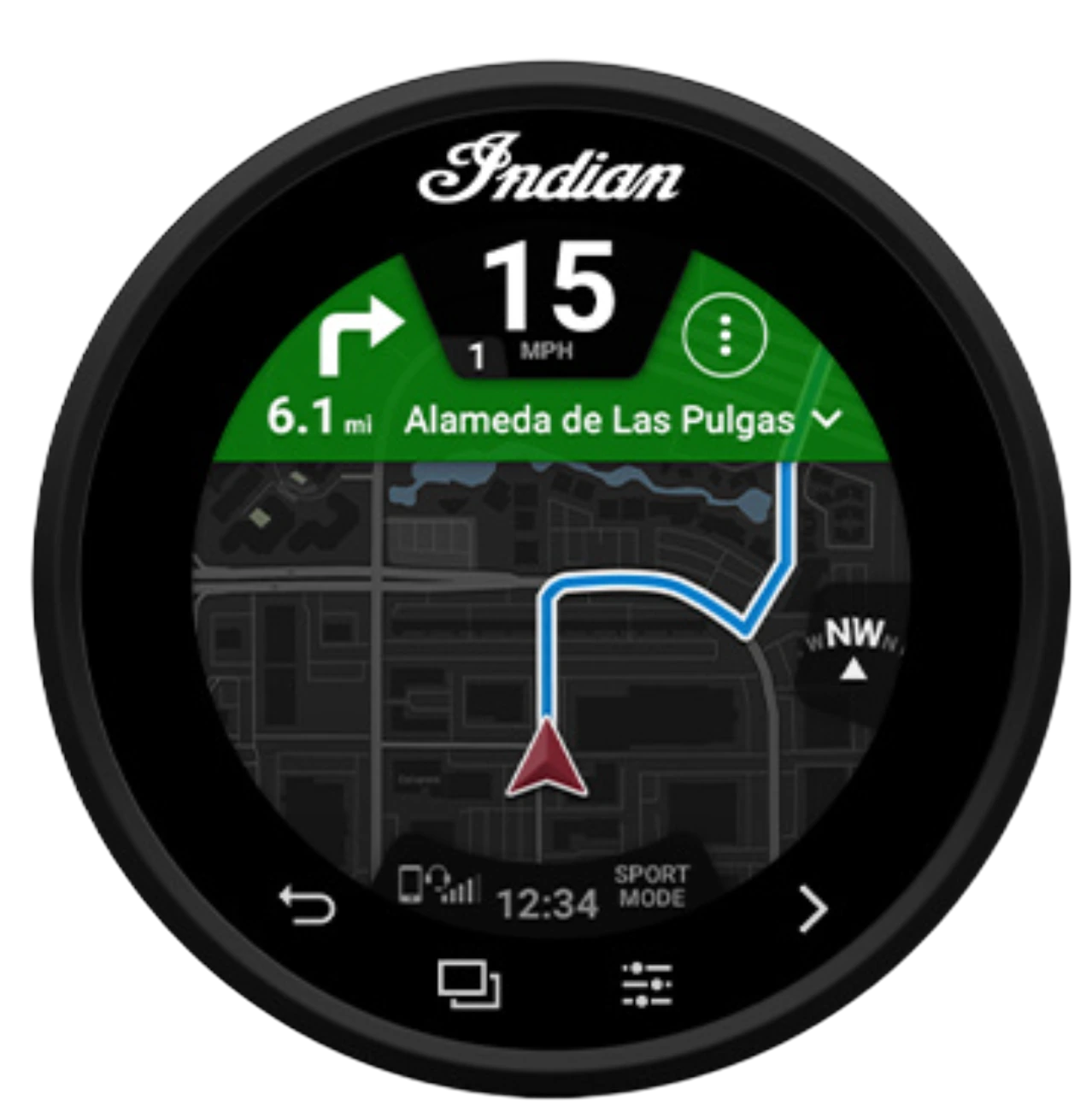
Before/Nav
After/Nav
Other Nav Mode
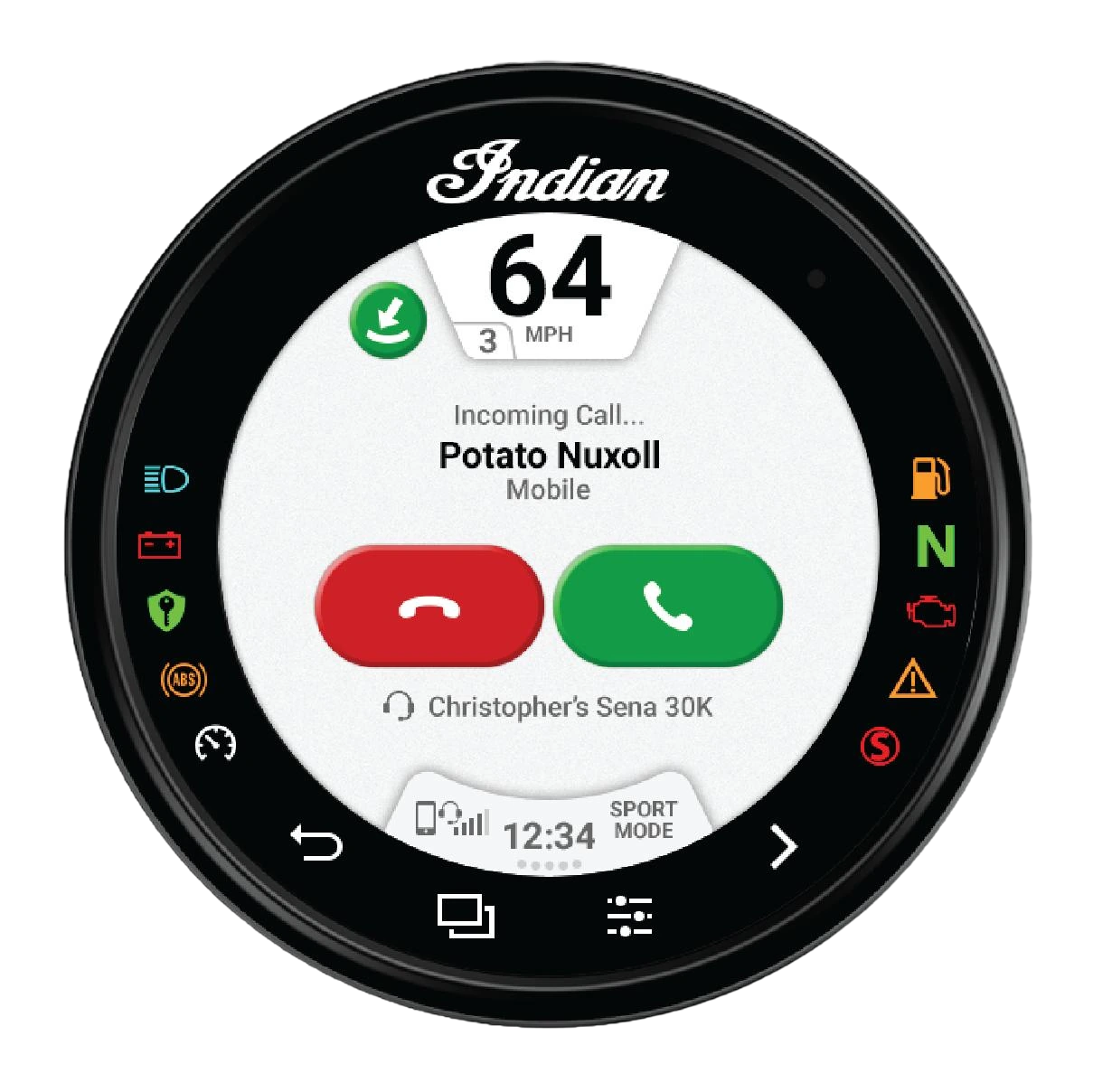
Before/Call
After/Call
Before/Menu
After/Menu
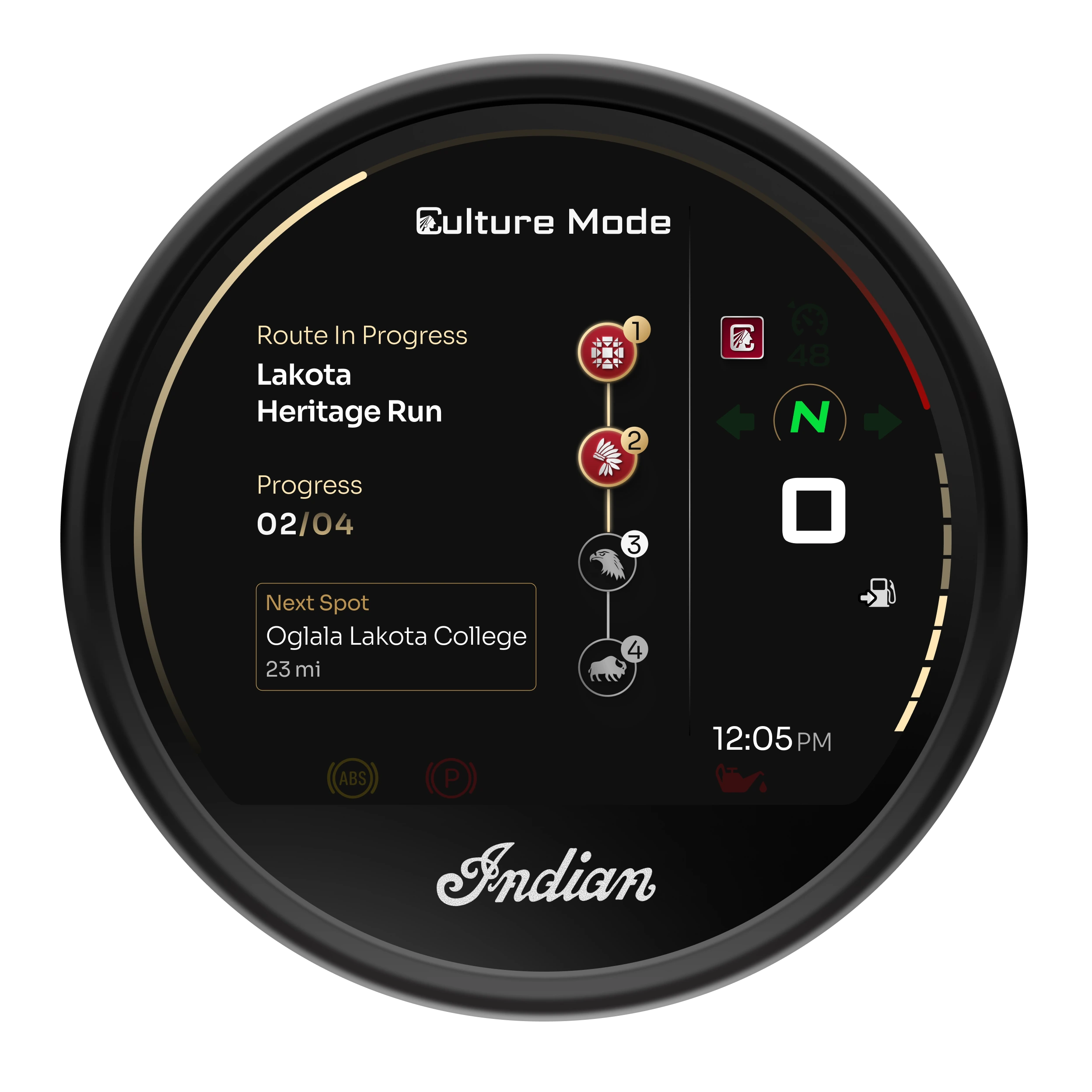
Culture Mode
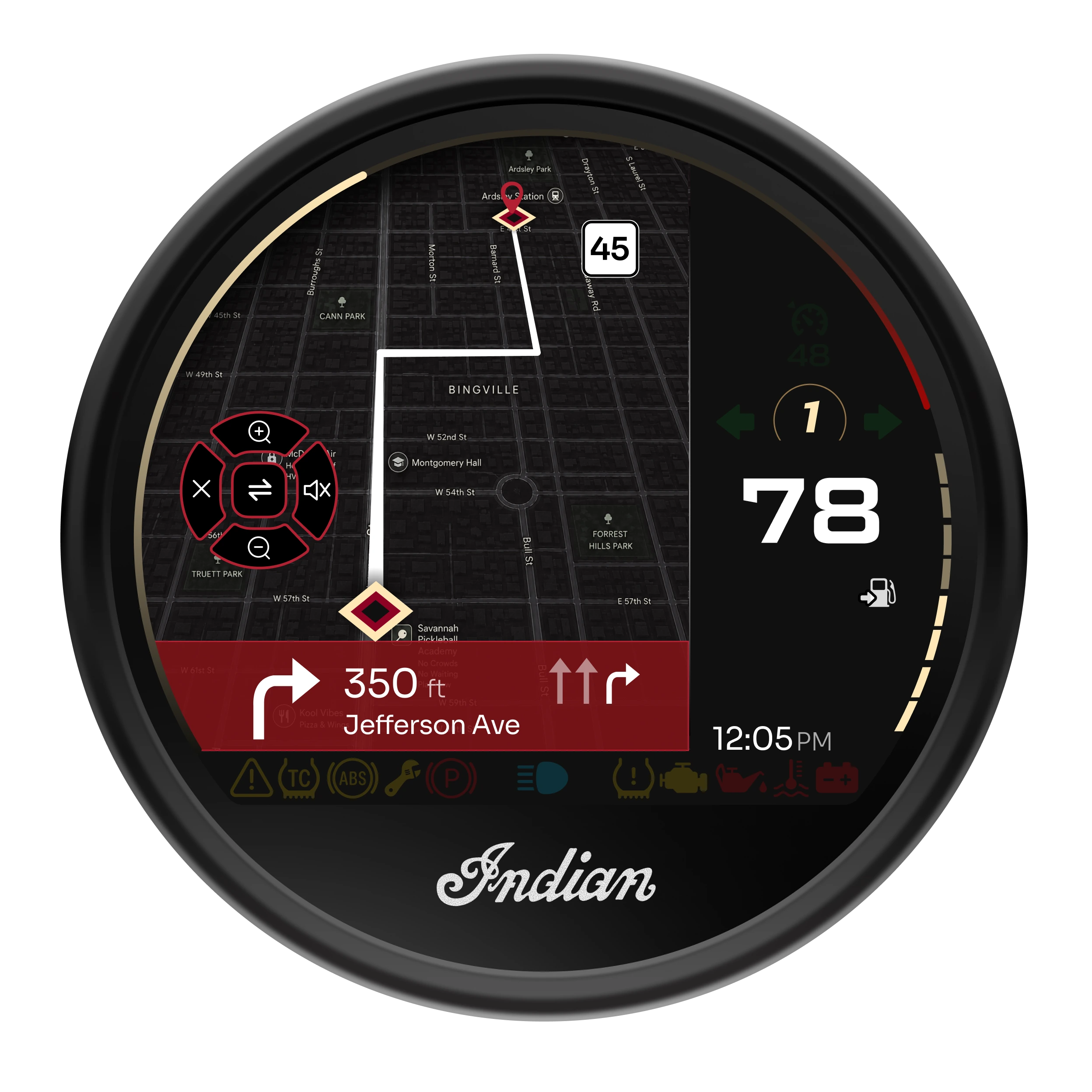
A conventional map layout limits the forward view, making upcoming roads harder to see.
A left-right layout reduces less relevant side views and gives more space to the road ahead.
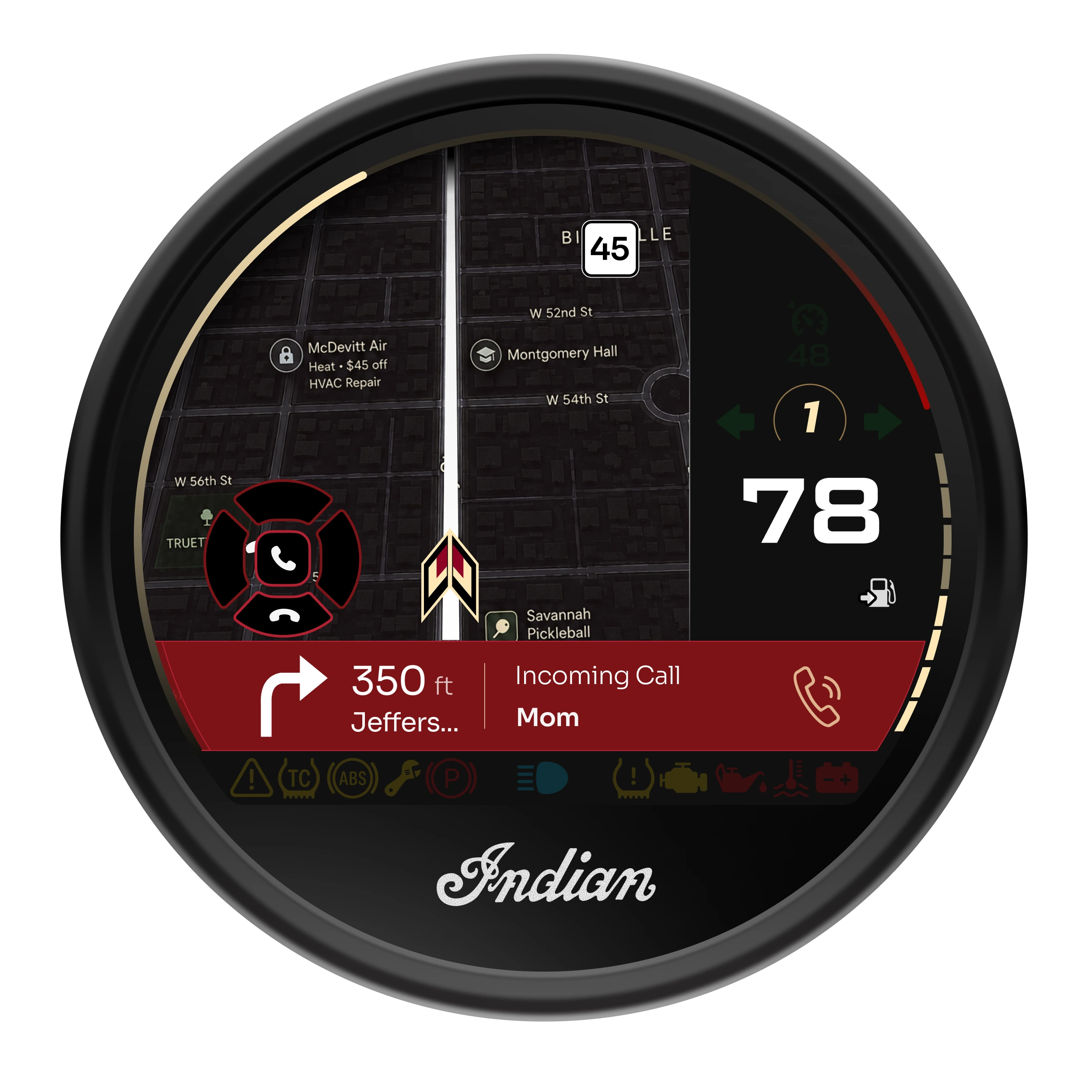
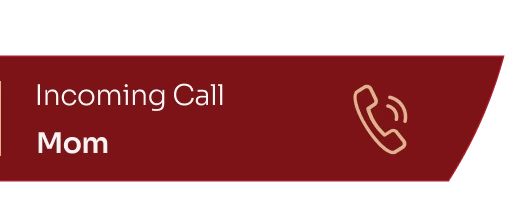
Incoming calls cover the entire navigation screen, risking missed directions and distraction.
Calls appear as a compact, clear overlay while keeping navigation visible.
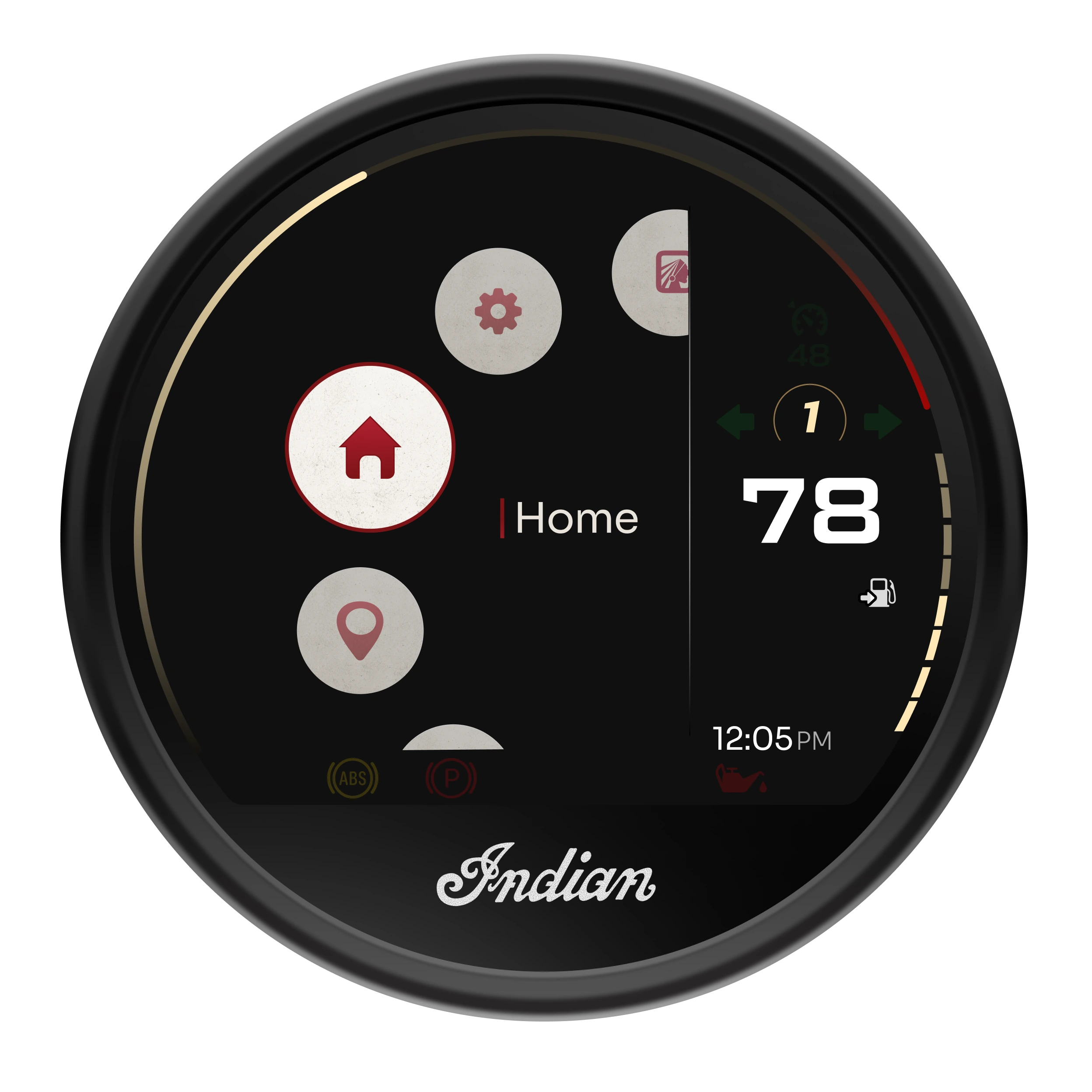
Menus are split across the screen and surrounding controls, making navigation harder to understand.
A simplified menu structure makes options clearer and easier to navigate.
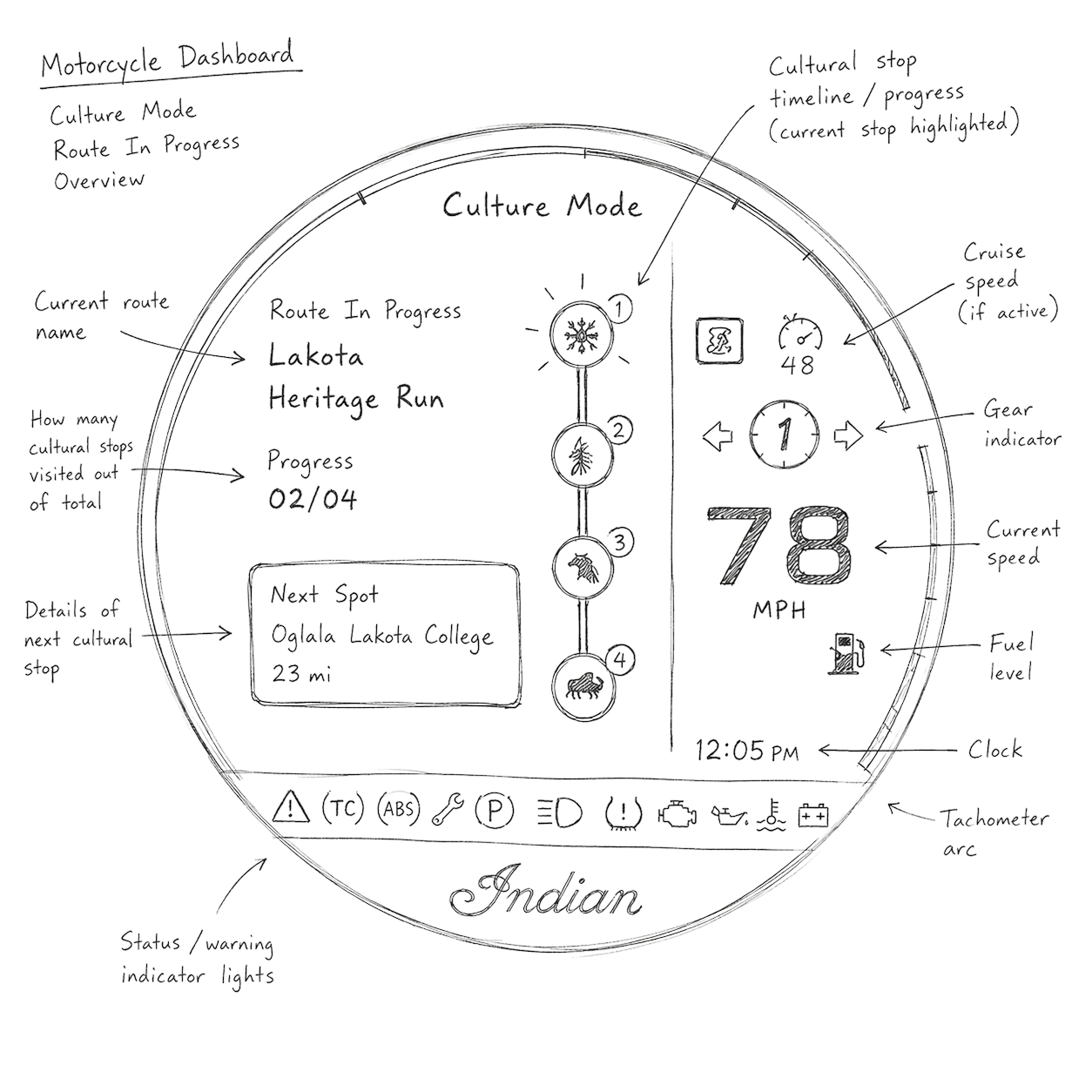
Culture Mode guides riders to cultural stops while keeping key riding information visible.The split layout separates Culture Mode from key riding information, while the progress track keeps route status easy to know.


T
Trip Button
P
H
Page Button
Home Button
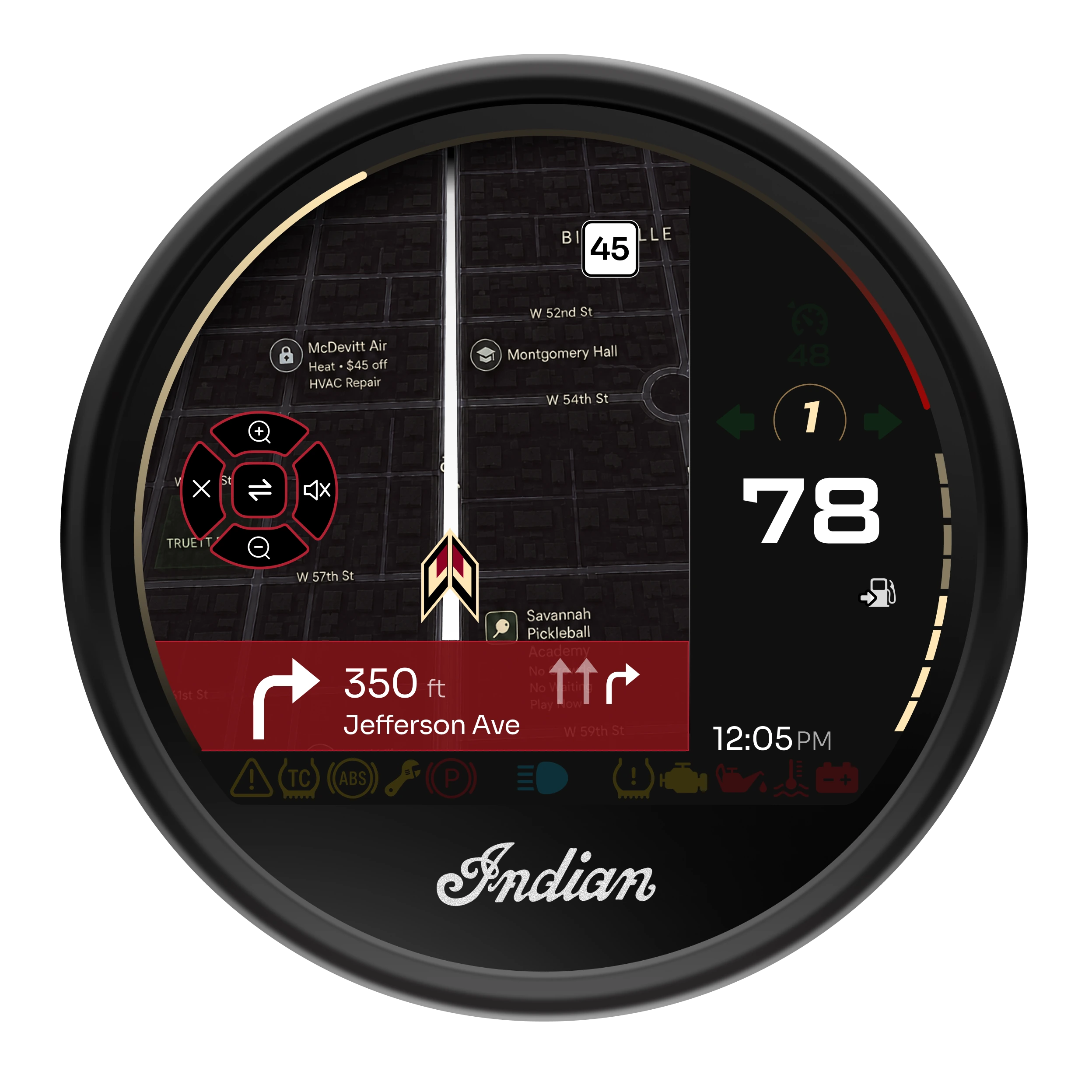
Three navigation modes let riders quickly switch between different levels of route detail, from turn-by-turn guidance to full map and upcoming directions, helping riders reduce visual overload and making key route information easier to see.
Explore/Route
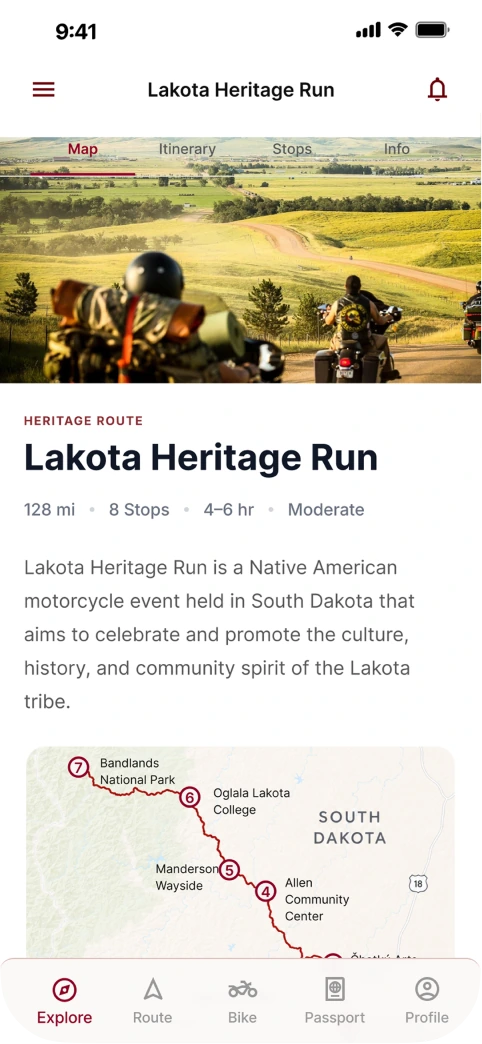
Users can discover curated cultural routes, then open each route to explore its story, key stops, map, and ride details before planning the journey.
Navgation/Stop
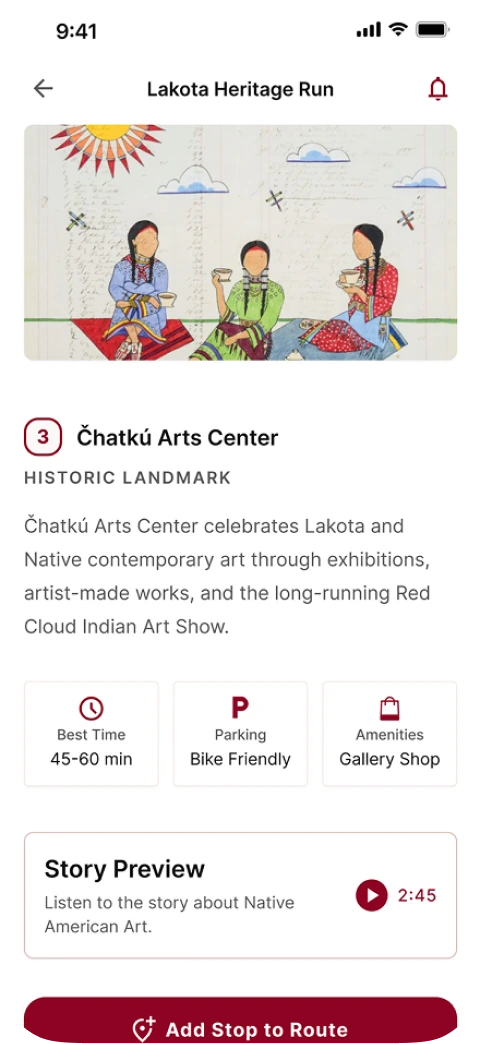
Users can view the full cultural route, understand each cultural stop, and customize the journey before riding. Detailed stop pages provide stories, timing, parking, amenities, and other planning information.
Passport/Completed
The Passport tracks collected stamps and route progress, while completing a route unlocks badges, stories, and a ride summary that captures the journey.
H1
Science Gothic/Bold/34 px
The Right Answers
H2
Sora/Regular/32 px
Section Header
H3
Supporting Label
Sora/Regular/25 px
Sora/Regular/18 Pt
Body
Body Text Example




Longer
Shorter



THANK YOU FOR VIEWING!
Please feel free to reach out. I’d love to connect.
PROJECTS